
Montefeltro
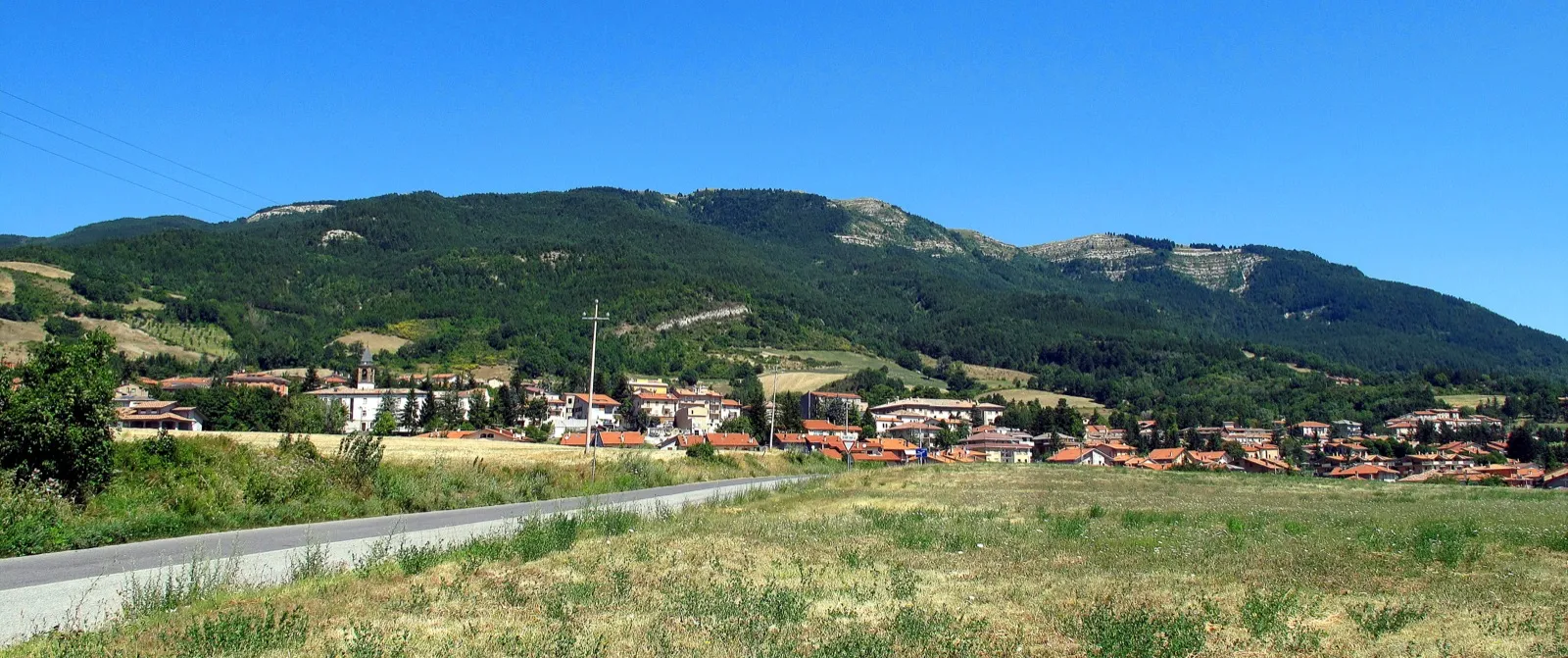
Montefeltro is a historic region of the central-northern Apennines with no administrative borders of its own. It covers the western part of the province of Rimini and the north of the province of Pesaro e Urbino, touches the Arezzo area and includes the territory of the Republic of San Marino. Its defining feature is the landscape: isolated limestone crags rising from clay slopes, topped with hill villages and fortresses.
The name comes from San Leo
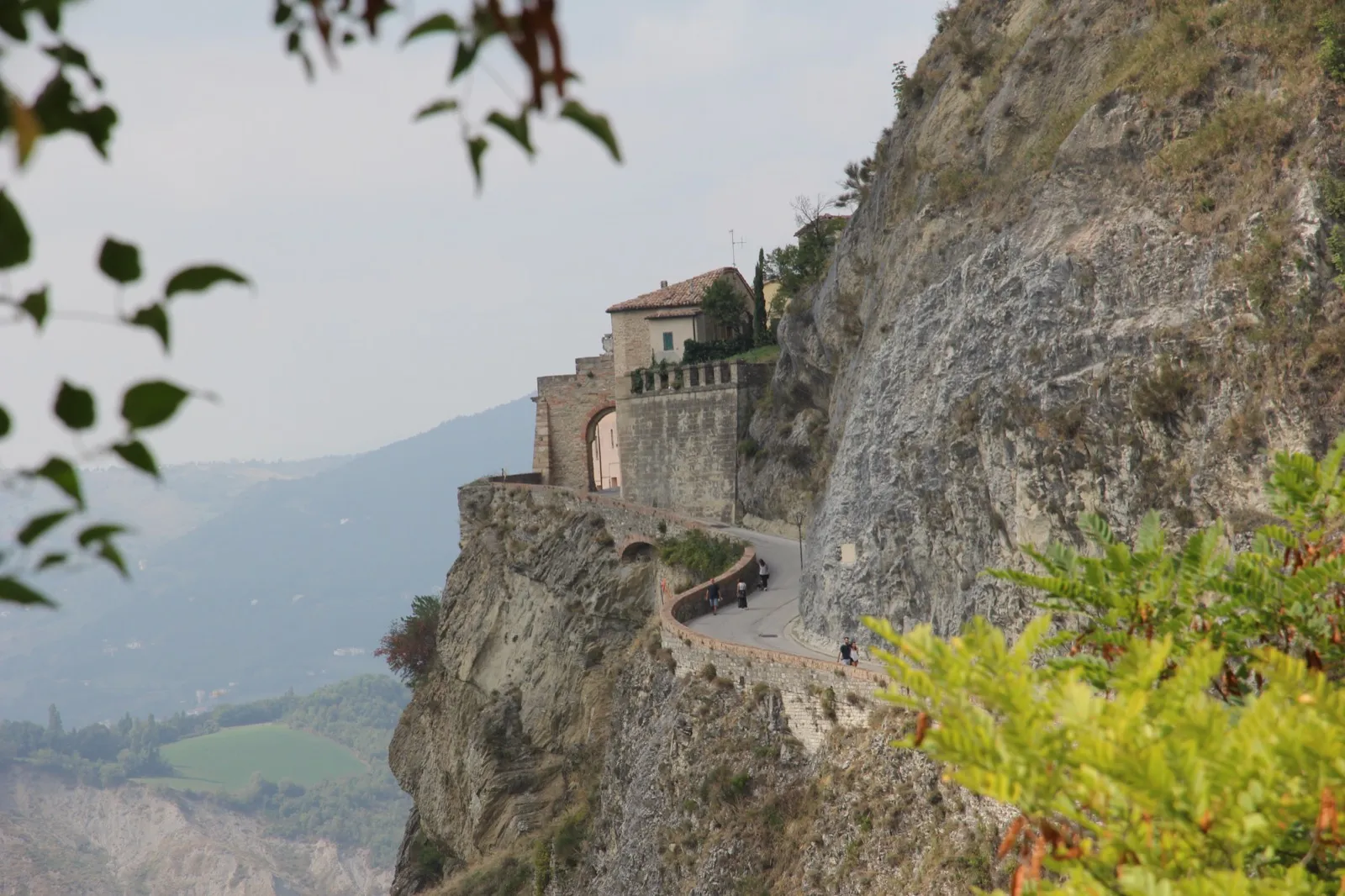
The name Montefeltro comes from Mons Feretri, the Latin name of the crag on which San Leo stands. A widespread theory links it to a temple dedicated to Jupiter Feretrius, thought to have stood on the rock.
From that crag the name spread to the whole territory through the diocese. The first official record of the diocese of Montefeltro dates to 785, when Charlemagne established it with the approval of Pope Adrian I as a suffragan of the archdiocese of Ravenna; the first documented bishop is Agatone, in 826. The bishop's seat was in San Leo, which was also the capital of the county of Montefeltro. Today the diocese is called the diocese of San Marino-Montefeltro.
Malatesta against Montefeltro
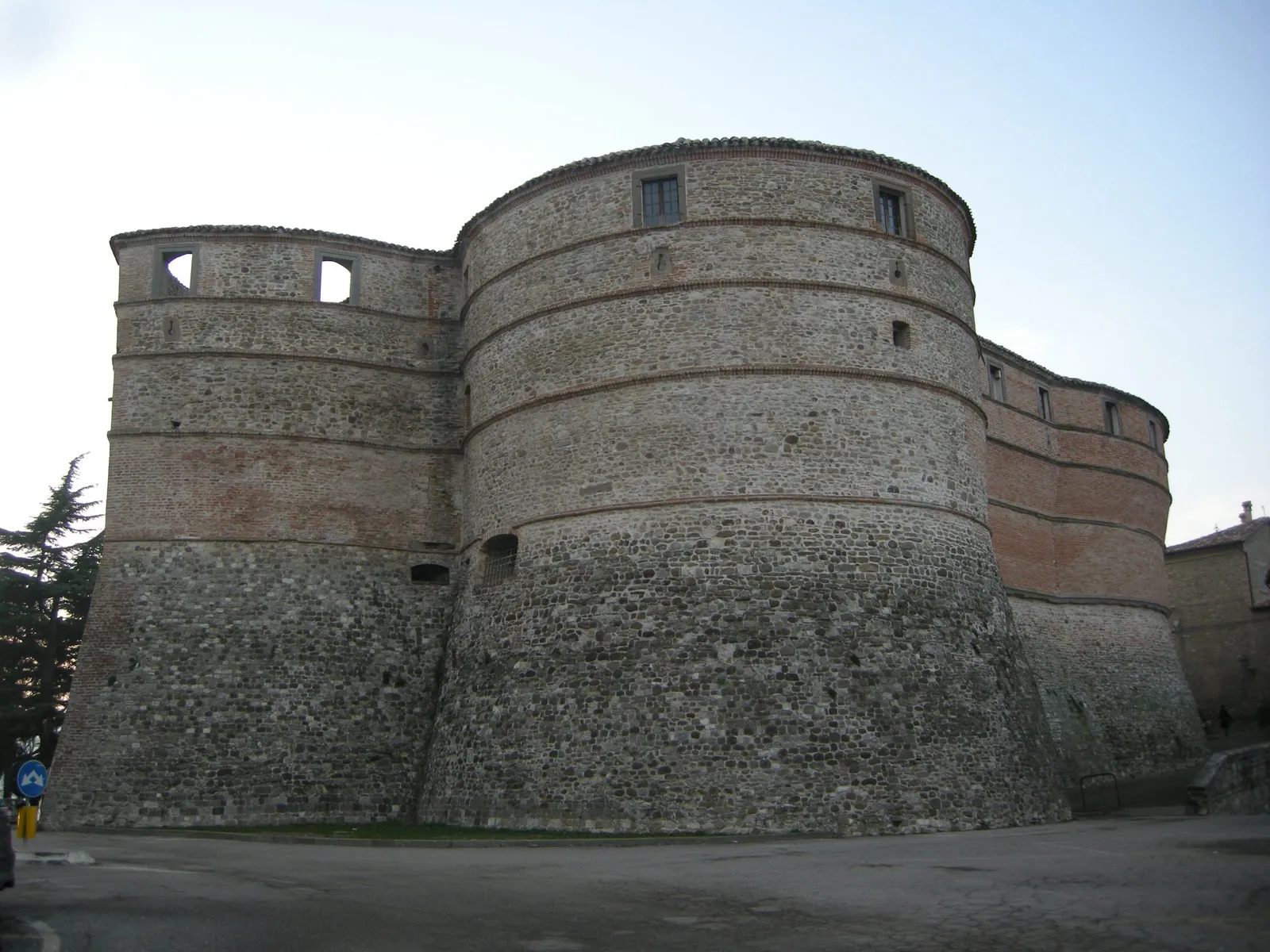
In the fifteenth century Montefeltro was the front line of one of central Italy's best-known wars between lordships, the one between Federico da Montefeltro, duke of Urbino, and Sigismondo Pandolfo Malatesta, lord of Rimini. The fortresses seen today are largely the result of that conflict, rebuilt or reinforced to withstand artillery.
The clearest example is the fortress of San Leo: after retaking it, Federico entrusted its redesign to the architect and engineer Francesco di Giorgio Martini. On the Romagna side, Montefeltro largely overlaps with the upper Valmarecchia, and the fortresses of that valley tell the same story.
The Sasso Simone e Simoncello park
The Parco naturale regionale del Sasso Simone e Simoncello was established by Marche regional law no. 15 of 28 April 1994 and protects 4,847 hectares at the heart of Montefeltro. It covers the municipalities of Carpegna, Frontino, Montecopiolo, Piandimeleto, Pennabilli and Pietrarubbia: after the border changes of 2009 and 2021, two of these are now in the province of Rimini, so the park spans two regions.
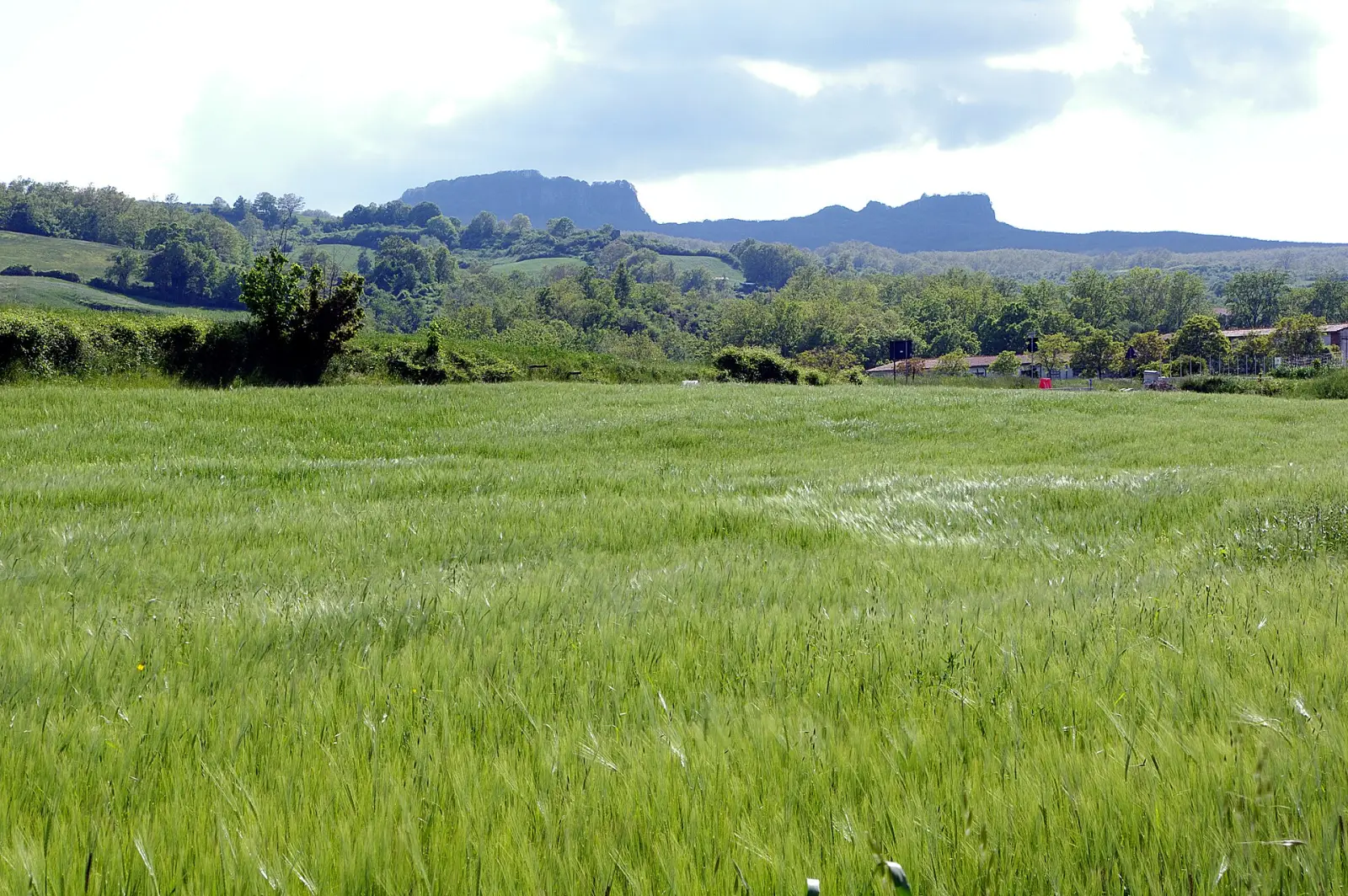
The two features that give the park its name are isolated limestone blocks, detached from the rest of the ridge. The highest point of the area is Monte Carpegna, at 1,415 metres. The park's natural history museum is in Pennabilli.
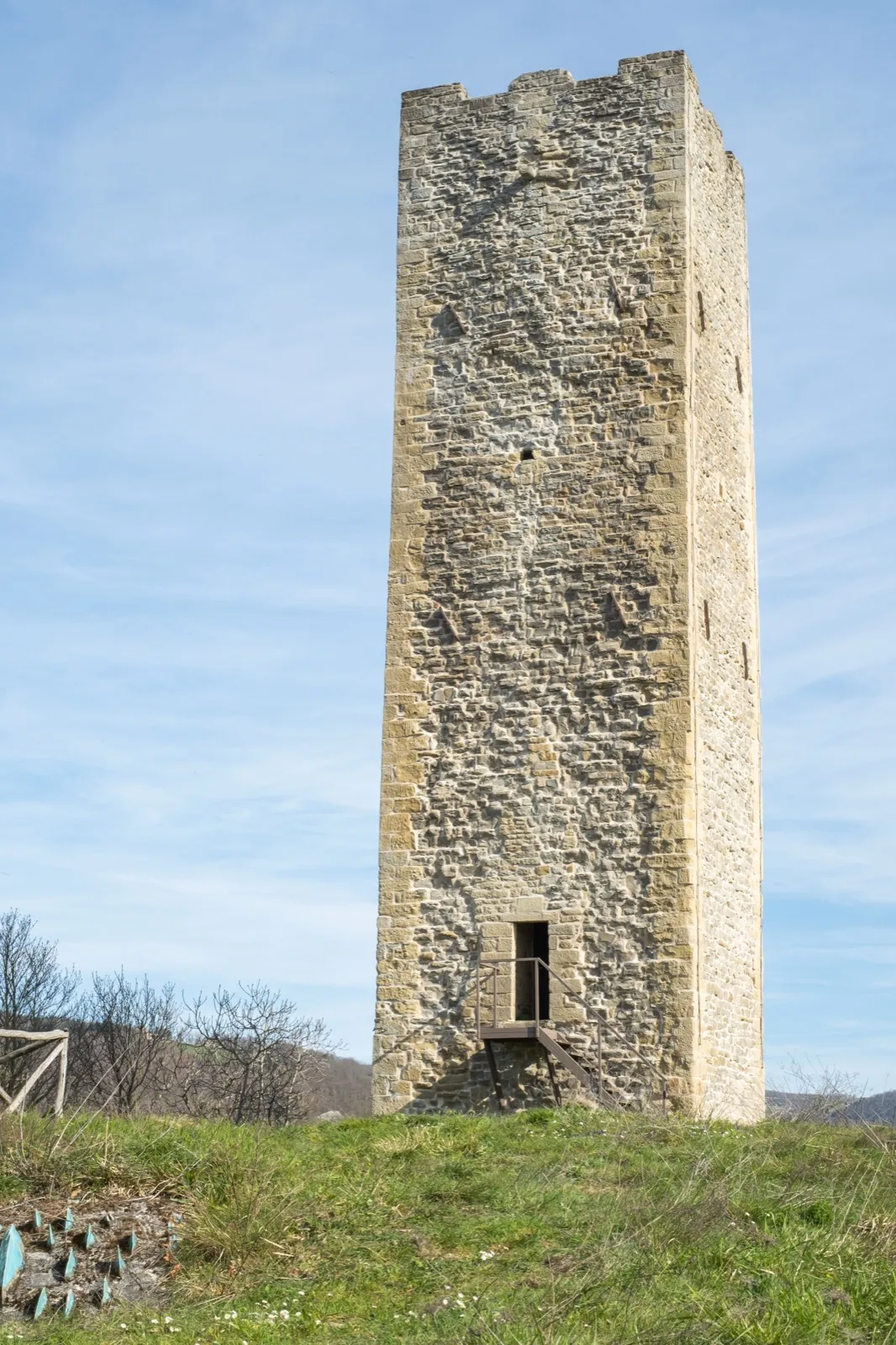
The evaporites of San Leo are a UNESCO World Heritage site
The Evaporites of San Leo are one of seven components of the "Gypsum karst and caves of the Northern Apennines" site, inscribed on the UNESCO World Heritage List in 2023 as a serial natural property. The other six components lie between the Reggio Emilia, Bologna and Romagna areas, and one of them, the Gessi di Onferno, is in Valconca.
The local authorities
On the Marche side the territory is organised under the Unione Montana del Montefeltro, based in Carpegna, active since 1 January 2015 in place of the Comunità montana del Montefeltro, which was dissolved at the end of 2014. Its members are Belforte all'Isauro, Carpegna, Frontino, Lunano, Macerata Feltria, Mercatino Conca, Monte Cerignone, Monte Grimano Terme, Piandimeleto, Pietrarubbia, Sassocorvaro Auditore and Tavoleto.