Cervia
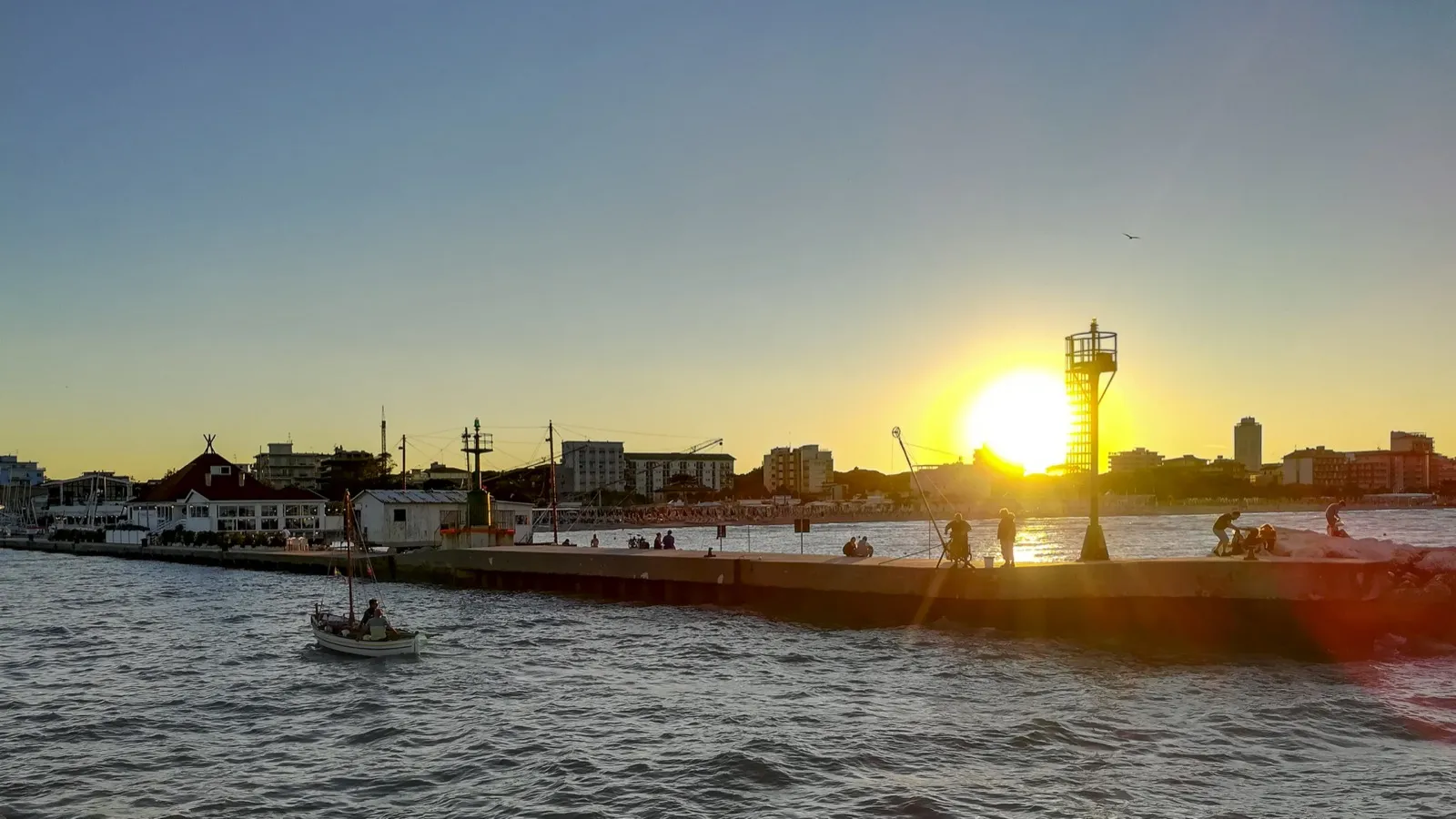
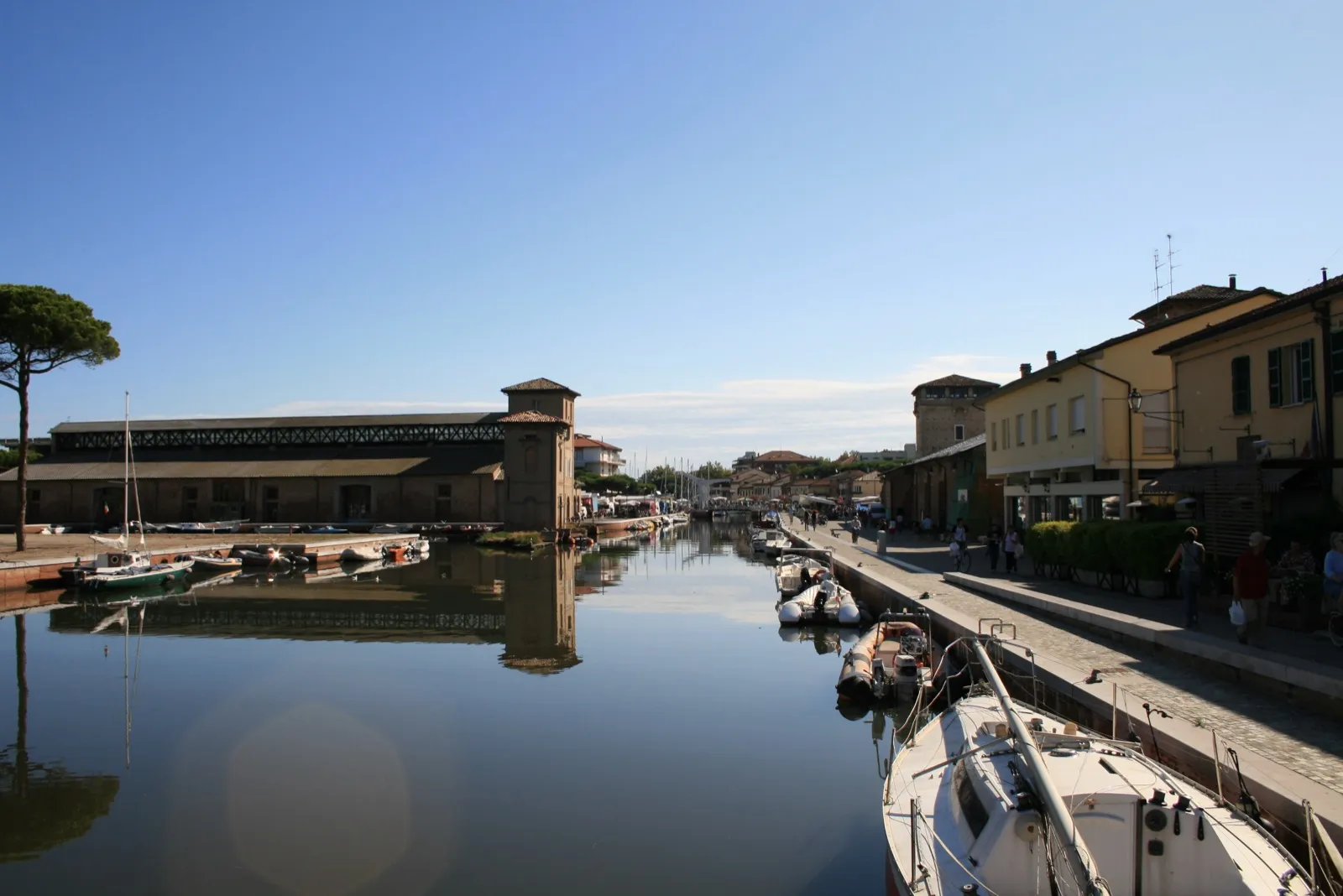
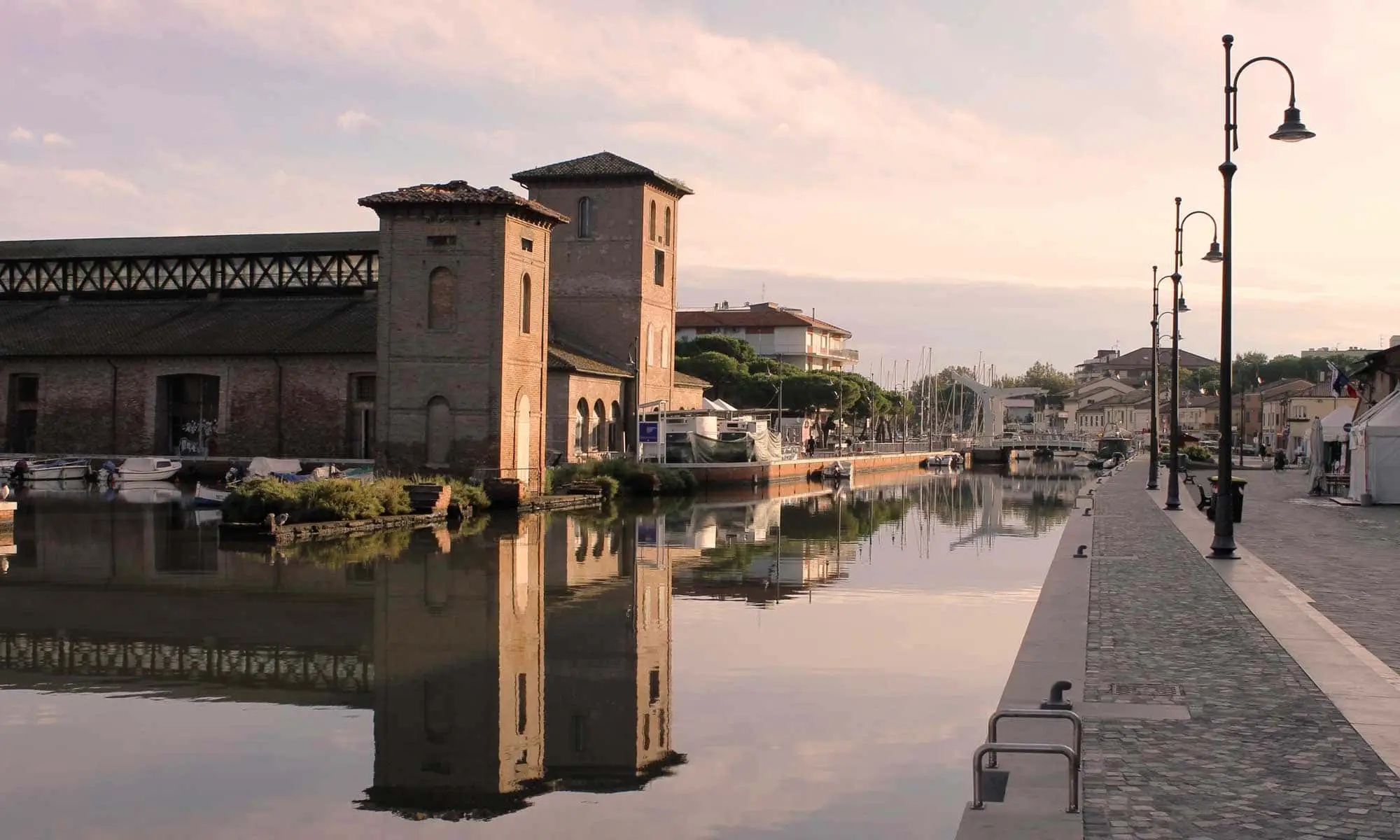
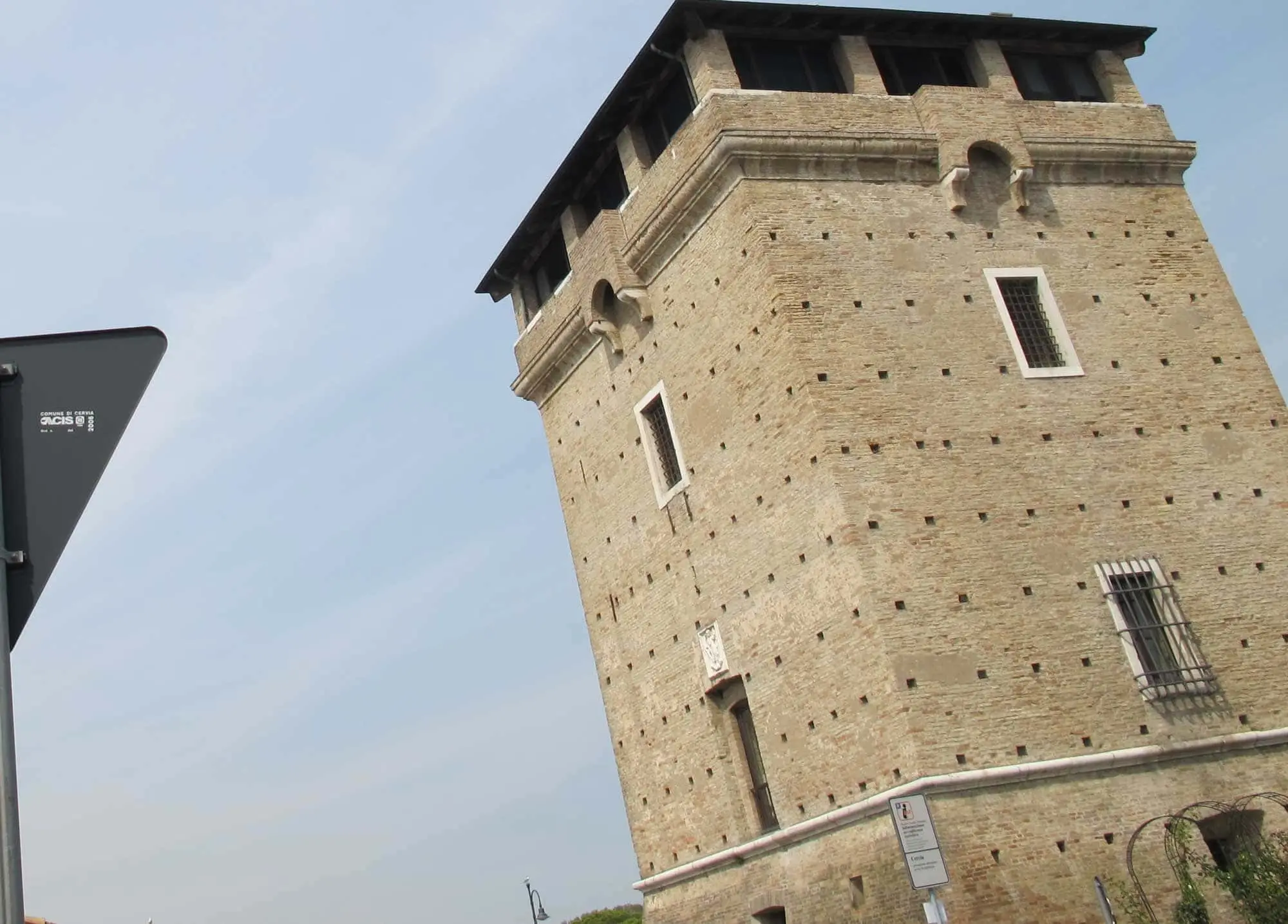
Cervia lies on the Adriatic coast at the southern edge of the Po Delta regional park, between the hamlets of Pinarella, Tagliata and the renowned Milano Marittima. Its name has been tied to salt for centuries: the town itself is known as the "City of Salt", and Torre San Michele, now home to the tourist office, once stood as coastal defence against the pirates who threatened the salt production.
The old town: the Quadrilatero and the salt workers' houses
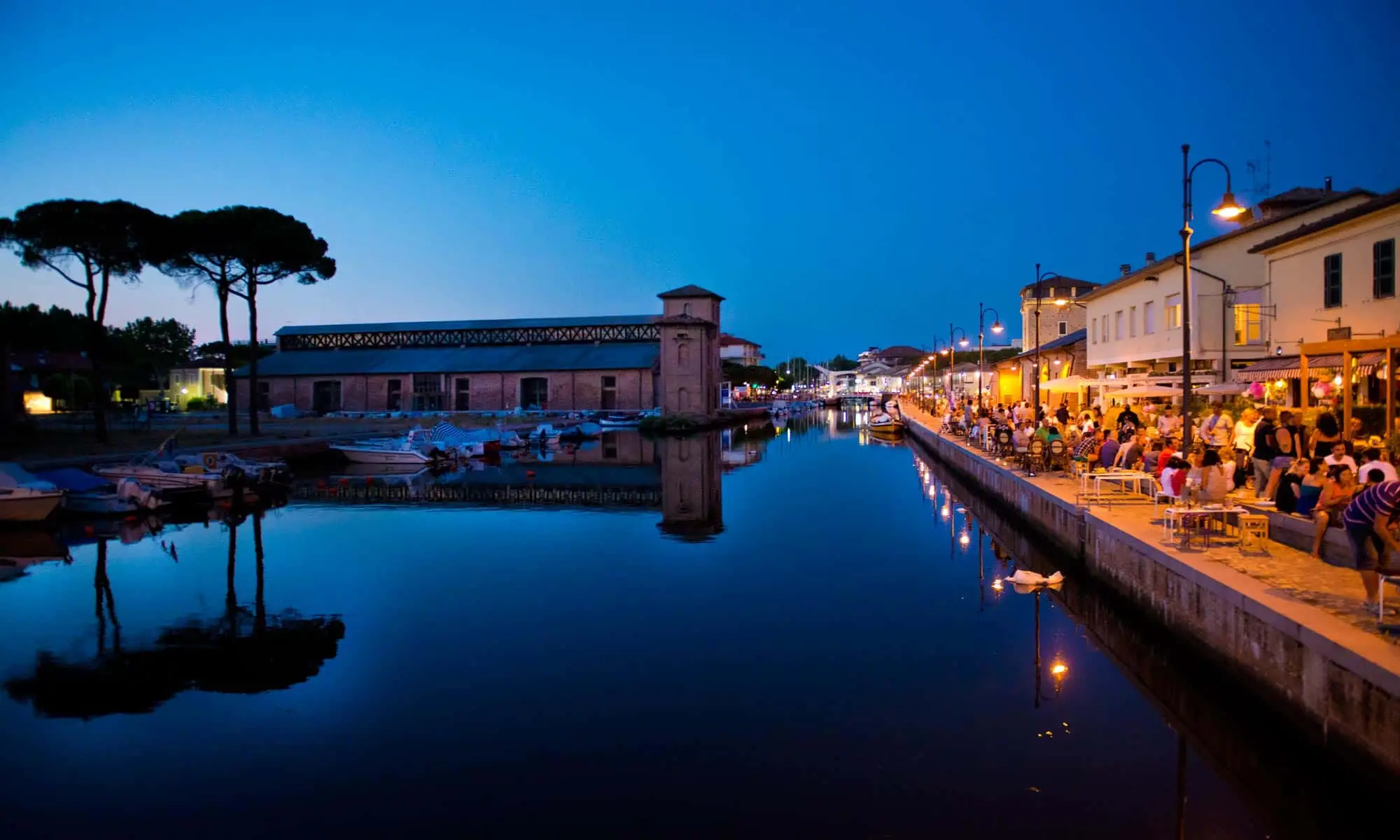
The old town has a square layout for a reason: it is the Quadrilatero, an urban plan ordered by the Papal States in the eighteenth century to reorganise the lives of the salt workers after the town moved from the marshy hinterland to the coast. The Case dei Salinari, built between 1698 and 1708 along the perimeter, and those of Borgo Saffi, added between 1790 and 1813, gave free lodging to the salt workers' families, a right passed down from father to son. Near the canal port, the low, colourful houses of Borgo Marina still recall the surnames of the fishing families who lived there, with ceramic tiles depicting coloured sails on the facades.
The Cervia salt pans and MUSA
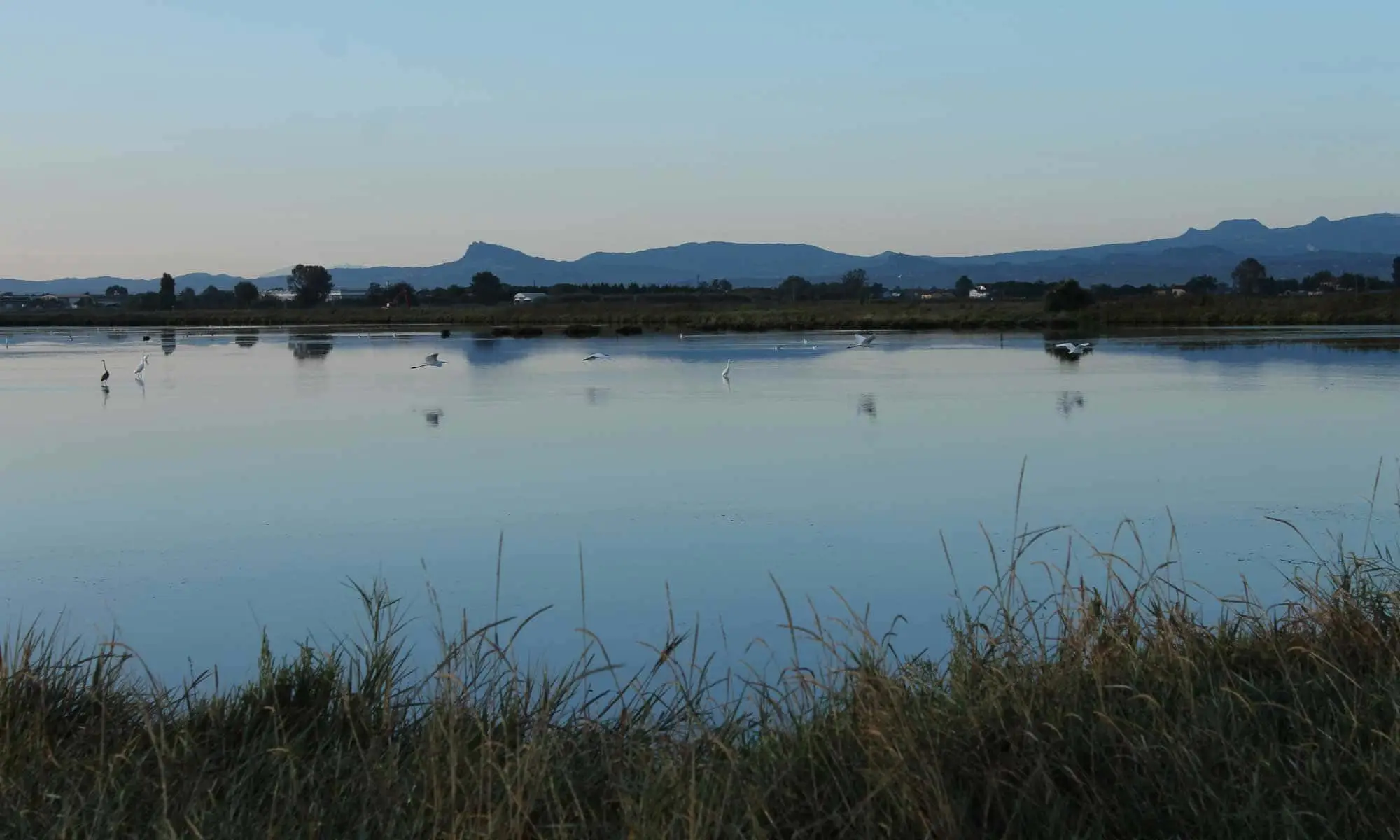
The Cervia salt pans, now a nature reserve, still produce the famous "sweet salt" and are home to flamingos and other water birds. In town, MUSA - the Salt Museum tells this story inside an 1691 salt warehouse that could hold more than 130,000 quintals of product: opened in 2004 on the initiative of former salt worker Agostino Finchi and the Gruppo Civiltà Salinara, the museum displays tools, photographs and the burchiella, the flat-bottomed boat used until the 1950s to transport salt. The properties of the salt are also behind the Terme di Cervia, while the pine wood of more than 300 hectares that separates the town from Milano Marittima is popular for walks, cycling and birdwatching.
What not to miss in Cervia
- The centuries-old history of salt, which has shaped the town's identity
- The striking Quadrilatero and the old salt workers' houses
- The Salina, a natural oasis where you can see flamingos
- MUSA, for a journey into the culture of salt
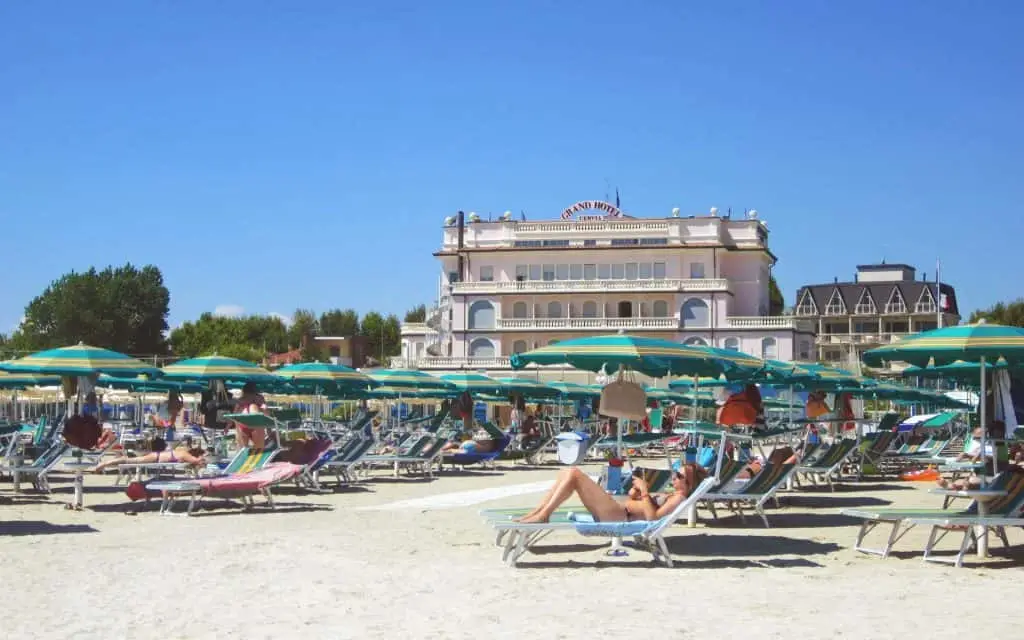
- The Terme di Cervia for a moment of wellbeing
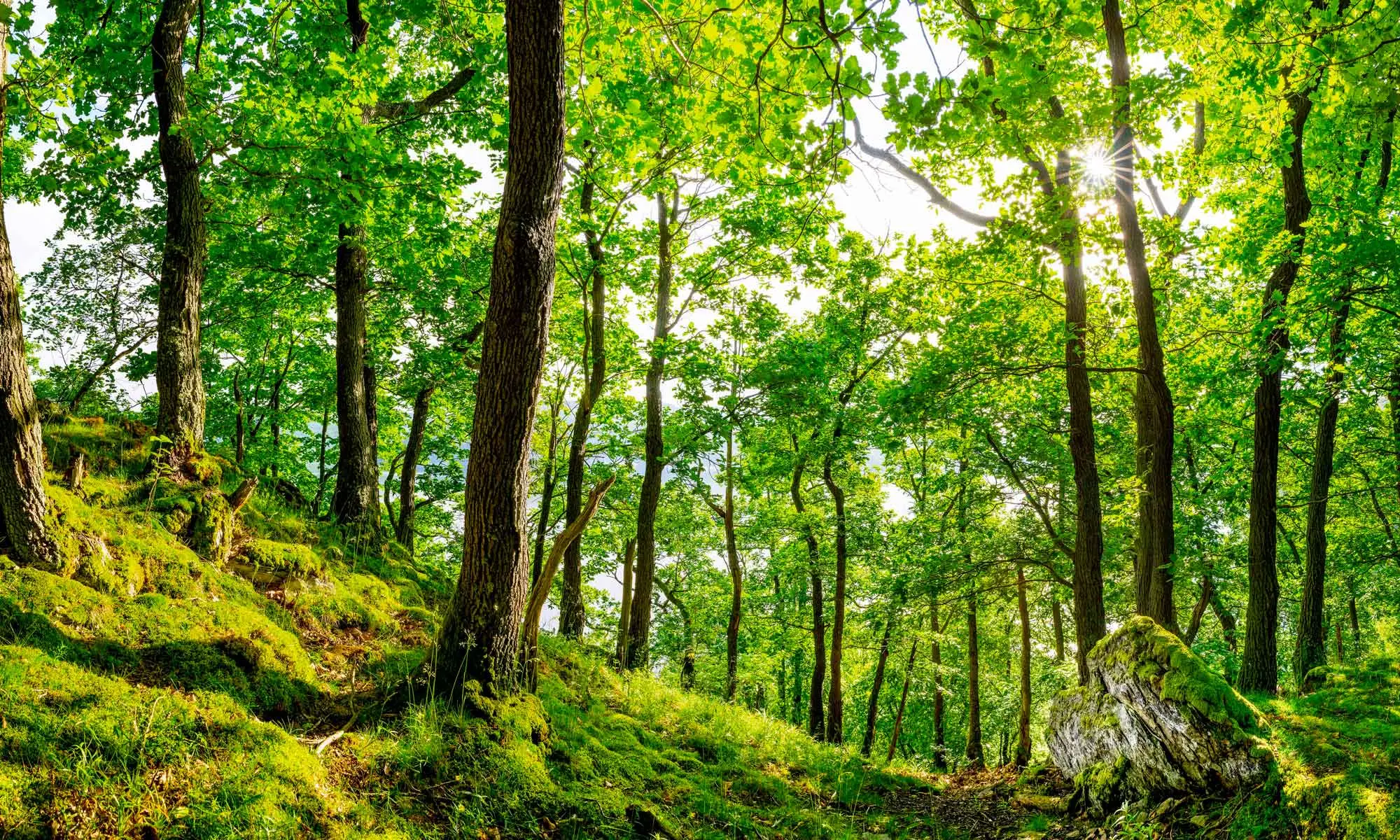
- The pine wood, ideal for walks and nature outings
Highlights
Not to be missed

Places to see
Places to see in Cervia


Museums
Museums in Cervia
Monuments
Monuments in Cervia
Events
Events in Cervia