
Ravenna
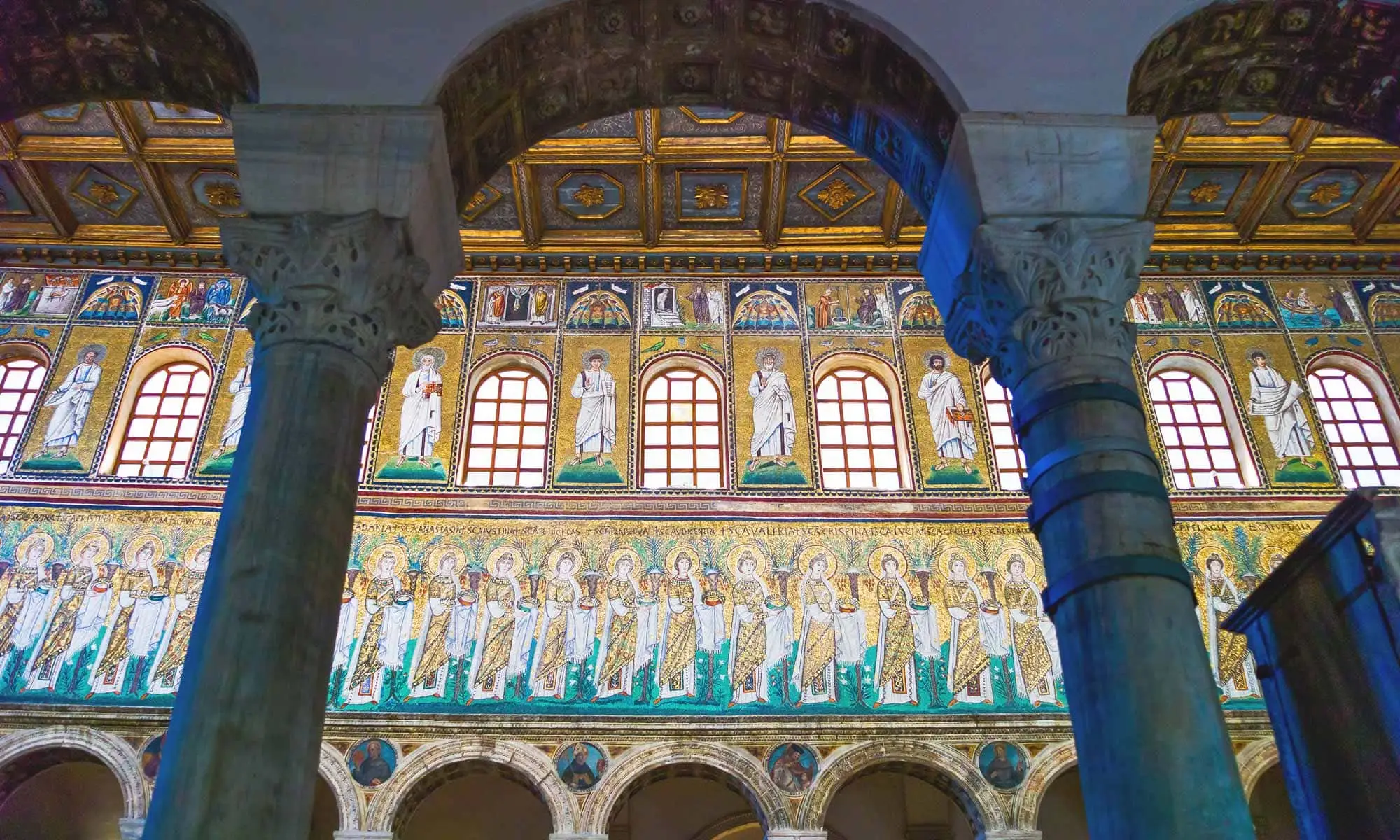
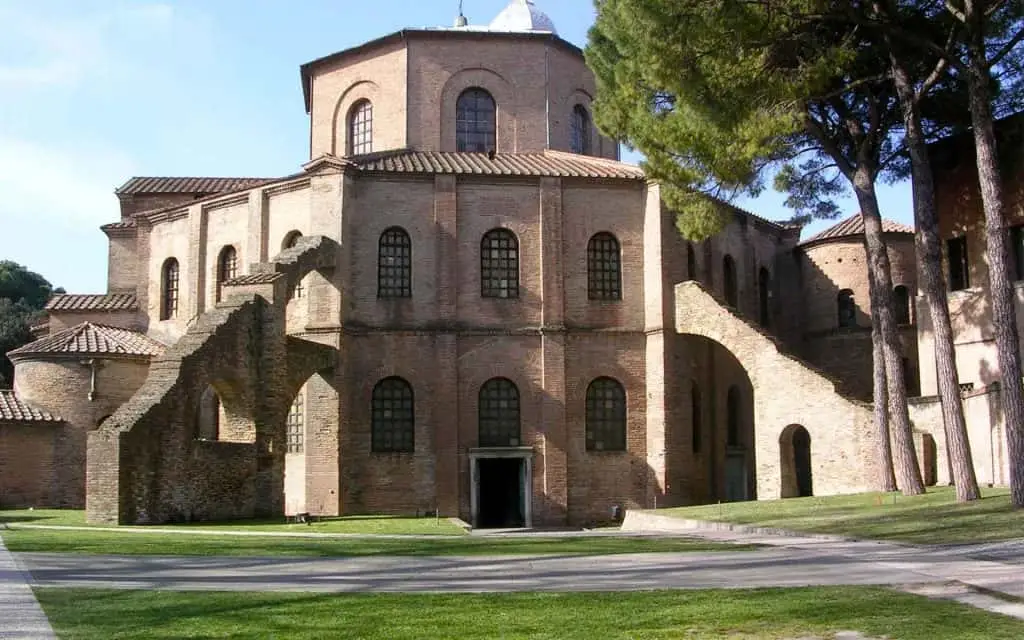
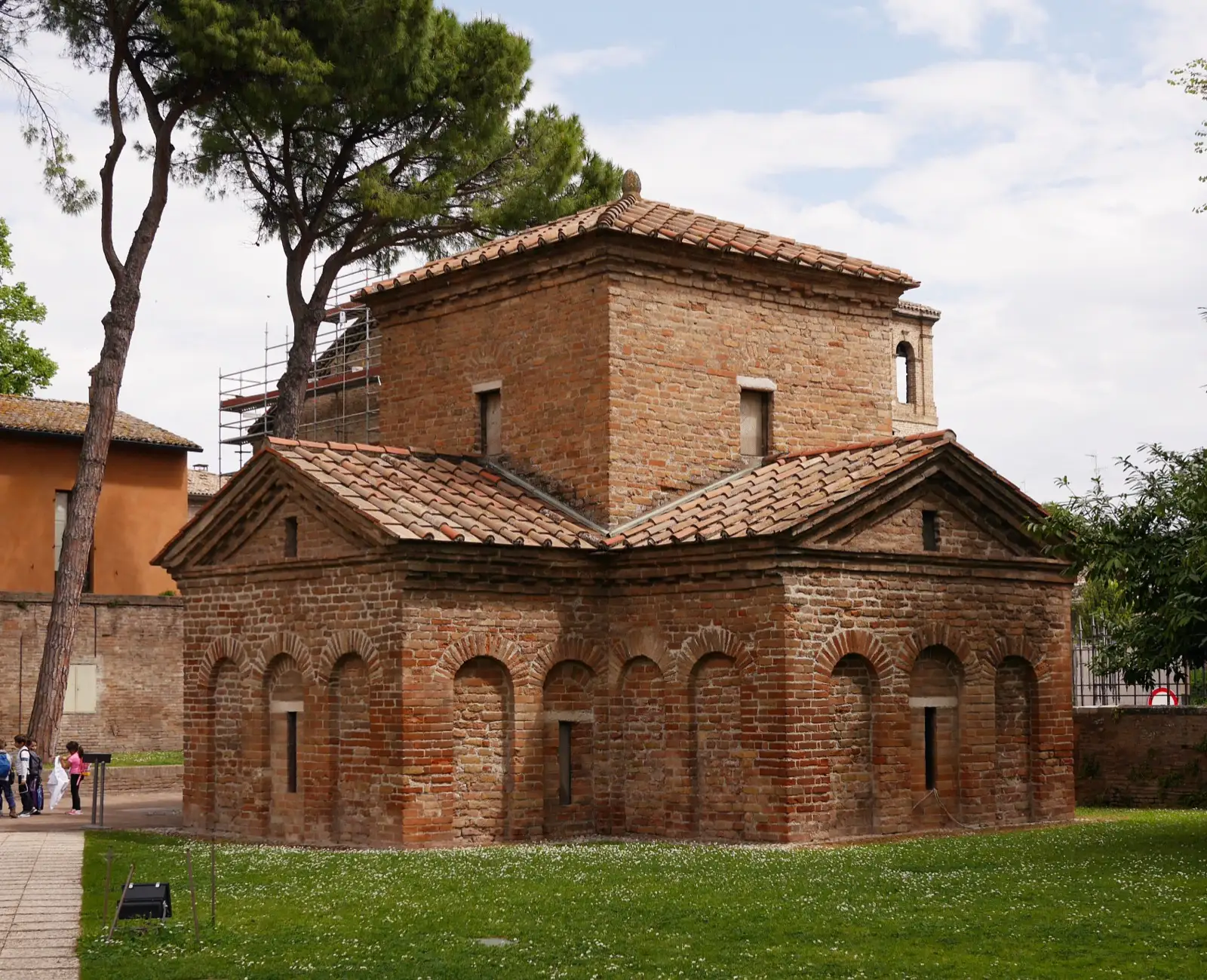
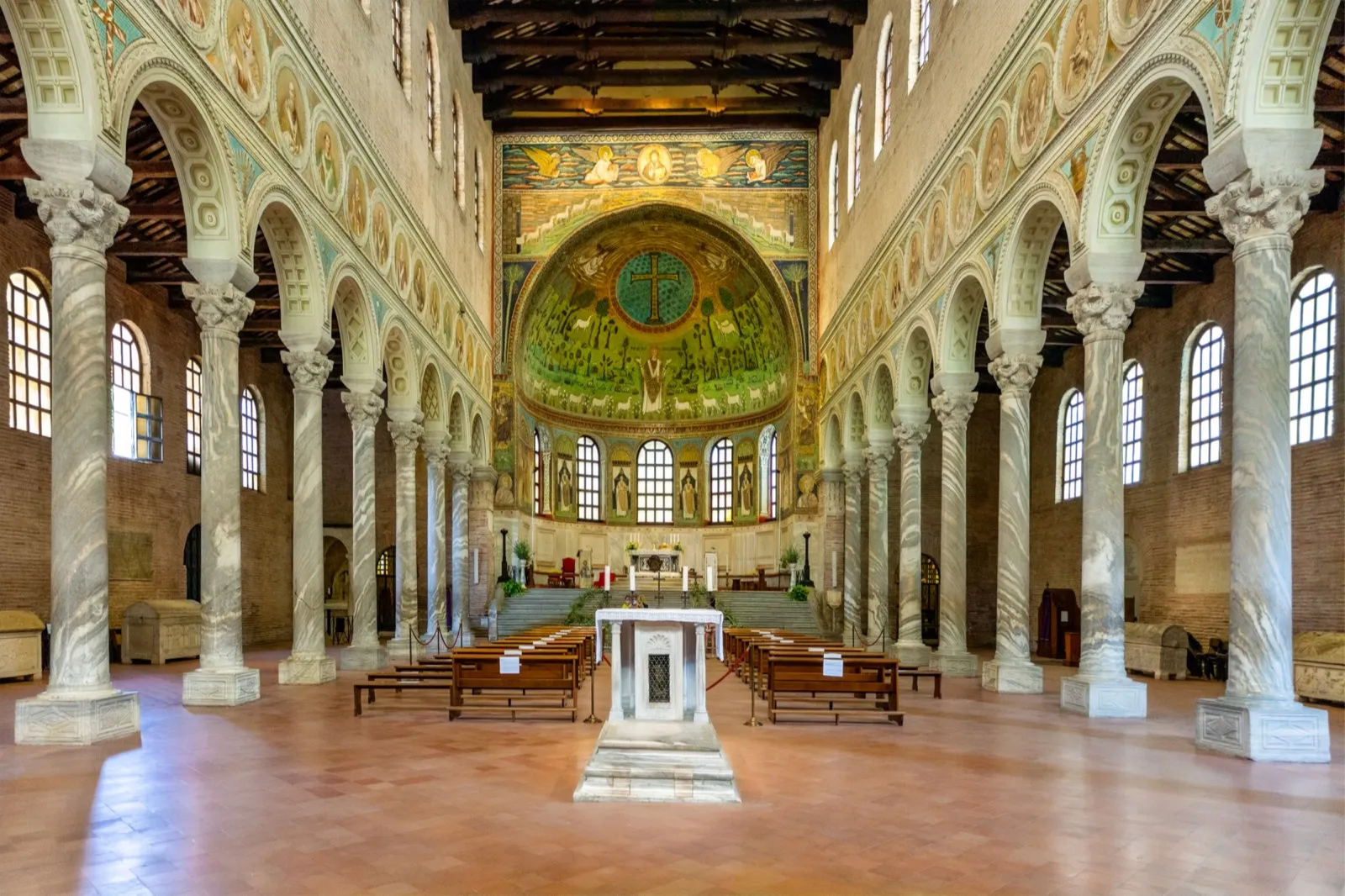
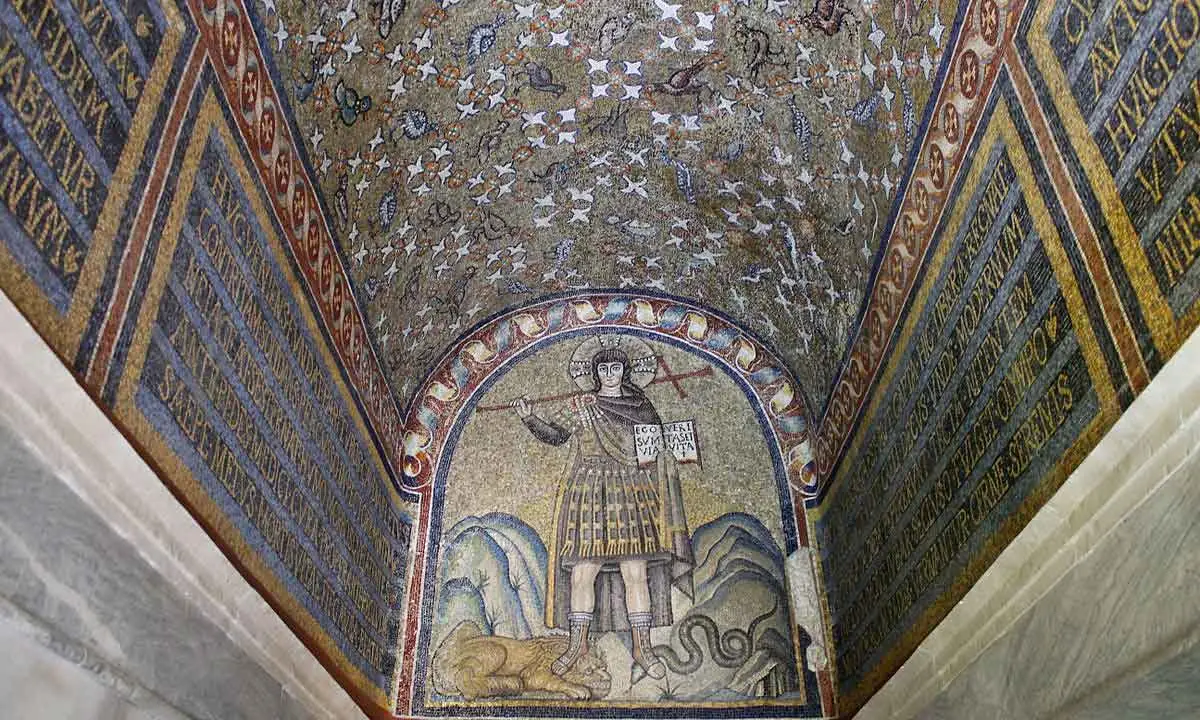
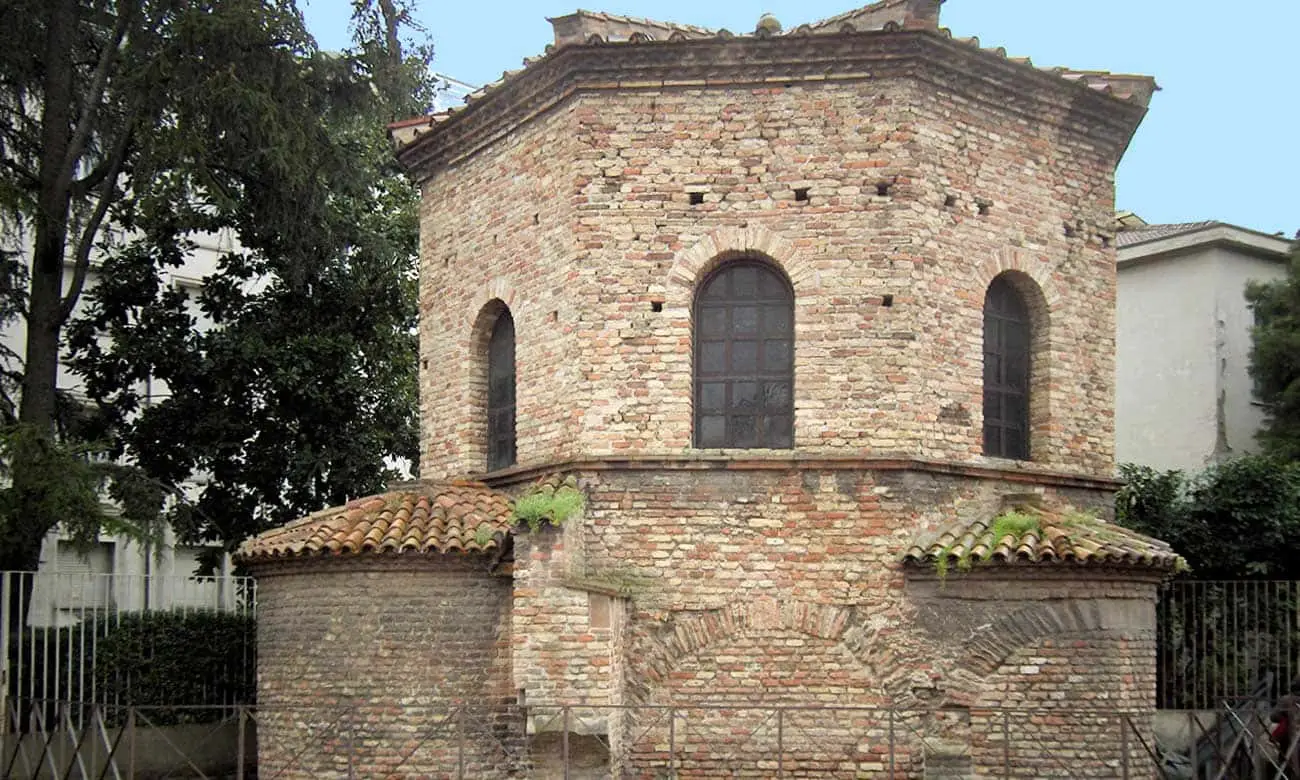
Ravenna is the city of mosaics and early Christian art. Eight monuments from the 5th and 6th centuries are Unesco World Heritage sites since 1996: the Basilica of San Vitale, the Mausoleum of Galla Placidia, the Neonian Baptistery, the Arian Baptistery, the Archiepiscopal Chapel, the Basilica of Sant'Apollinare Nuovo, the Mausoleum of Theodoric and the Basilica of Sant'Apollinare in Classe, in the Classe hamlet south of the city.
Three capitals in three centuries
Ravenna was capital of the Western Roman Empire from 402, then of the Ostrogothic Kingdom (493-553) and finally of the Byzantine Exarchate (568-751): the city owes the richness of its mosaics to these three centuries of history. The poet Dante Alighieri, who died in exile in 1321, also rests here: the Tomb of Dante and the nearby Dante Museum tell the story of the poet's last years.
The Ravenna Lidos
Ravenna's territory takes in the Ravenna lidos, resorts on the Romagna coast where seaside holidays go together with a taste for nature.
Masterpieces not to be missed
- The eight Unesco monuments, treasure troves of some of the most beautiful mosaics in the world
- The Mausoleum of Galla Placidia, with its extraordinary midnight-blue mosaics
- The Basilica of San Vitale, a masterpiece of Byzantine art in Italy
- The Tomb of Dante, a place of pilgrimage for lovers of literature
- The Ravenna lidos, for a holiday between sea and nature
Highlights
Not to be missed


Places to see
Places to see in Ravenna


Museums
Museums in Ravenna



Monuments
Monuments in Ravenna



Events
Events in Ravenna

