

Cesena
Cesena is a Malatesta city between the Adriatic Sea and the Apennines, at the crossroads of the ancient via Emilia and via Romea. The old town preserves traces of the Malatesta lordship alongside a rich artistic and cultural heritage. Washed by the river Savio, it is called the "city of three popes", having given birth to Pius VI and Pius VII and having had Pope Benedict XIII as its bishop.
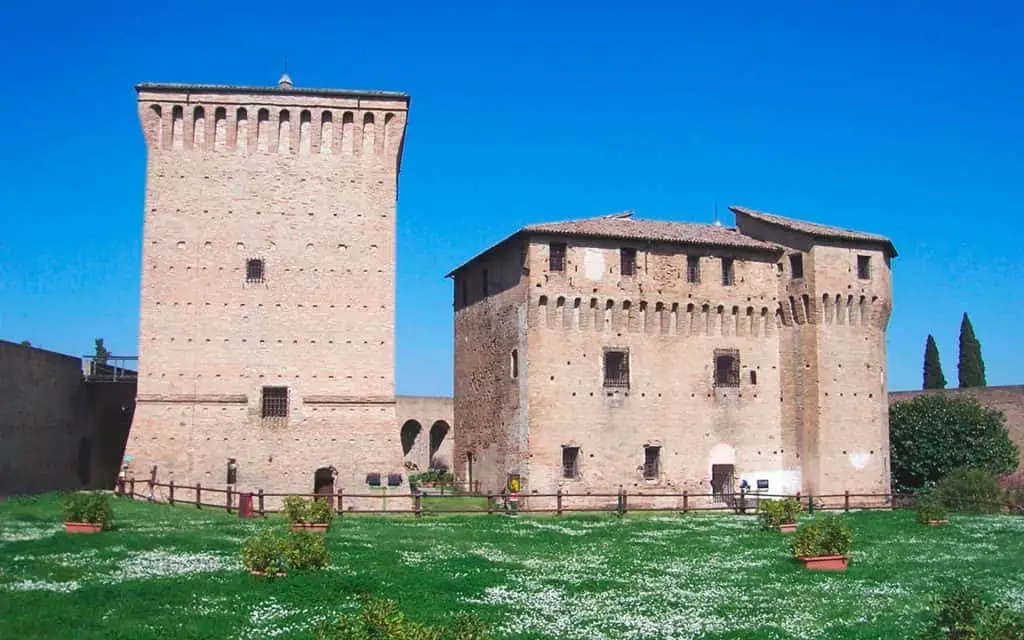
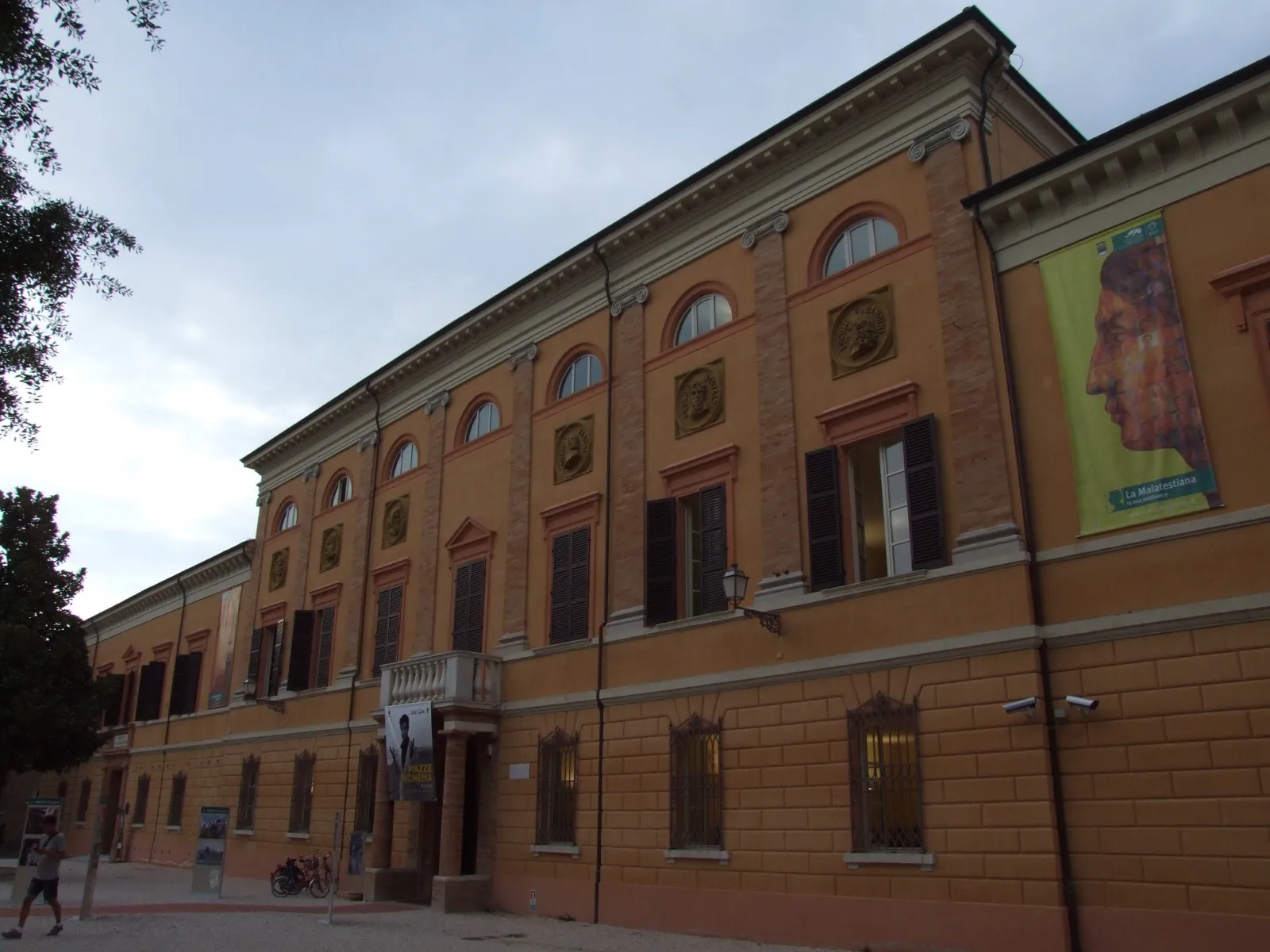
Cesena's landmarks: the fortress, the library and the square
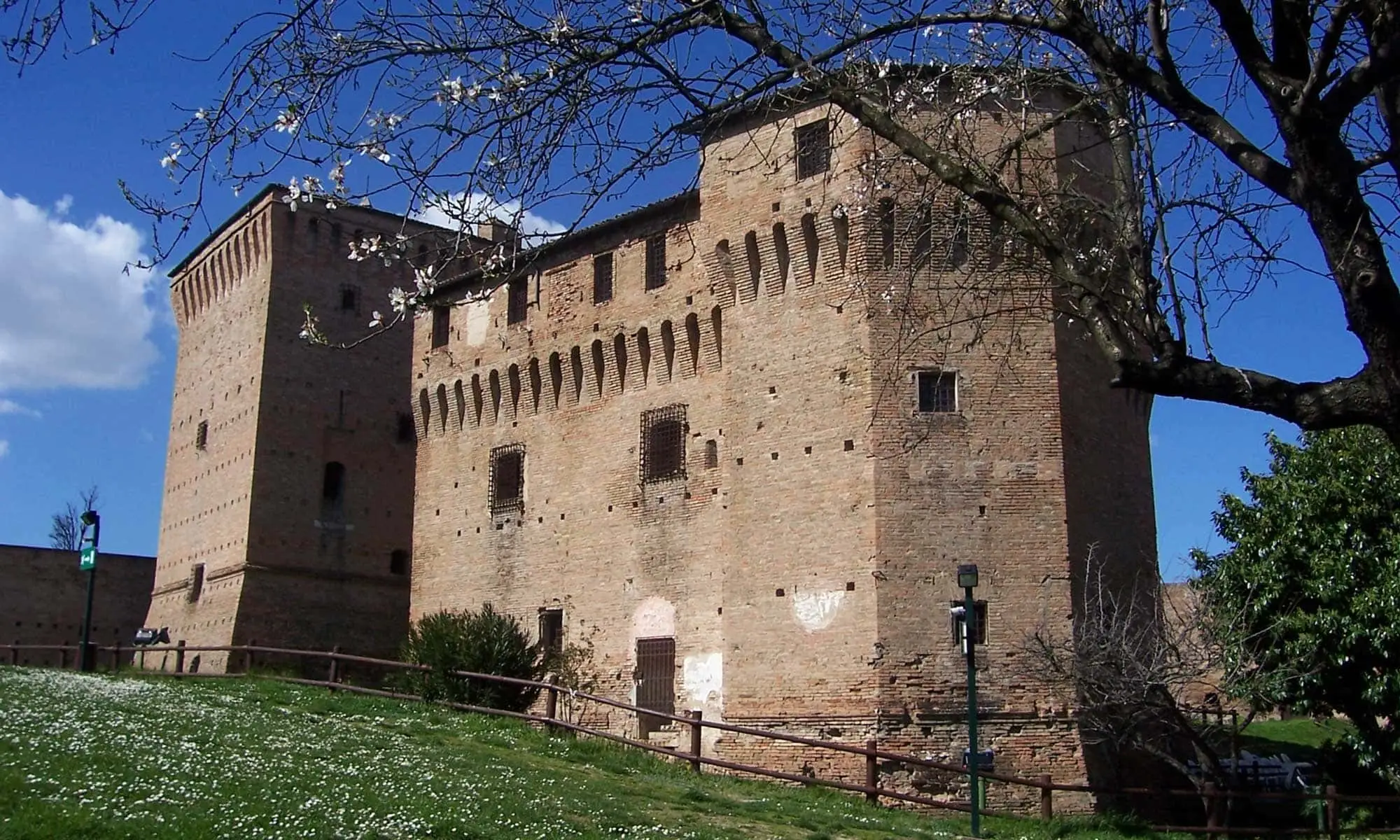
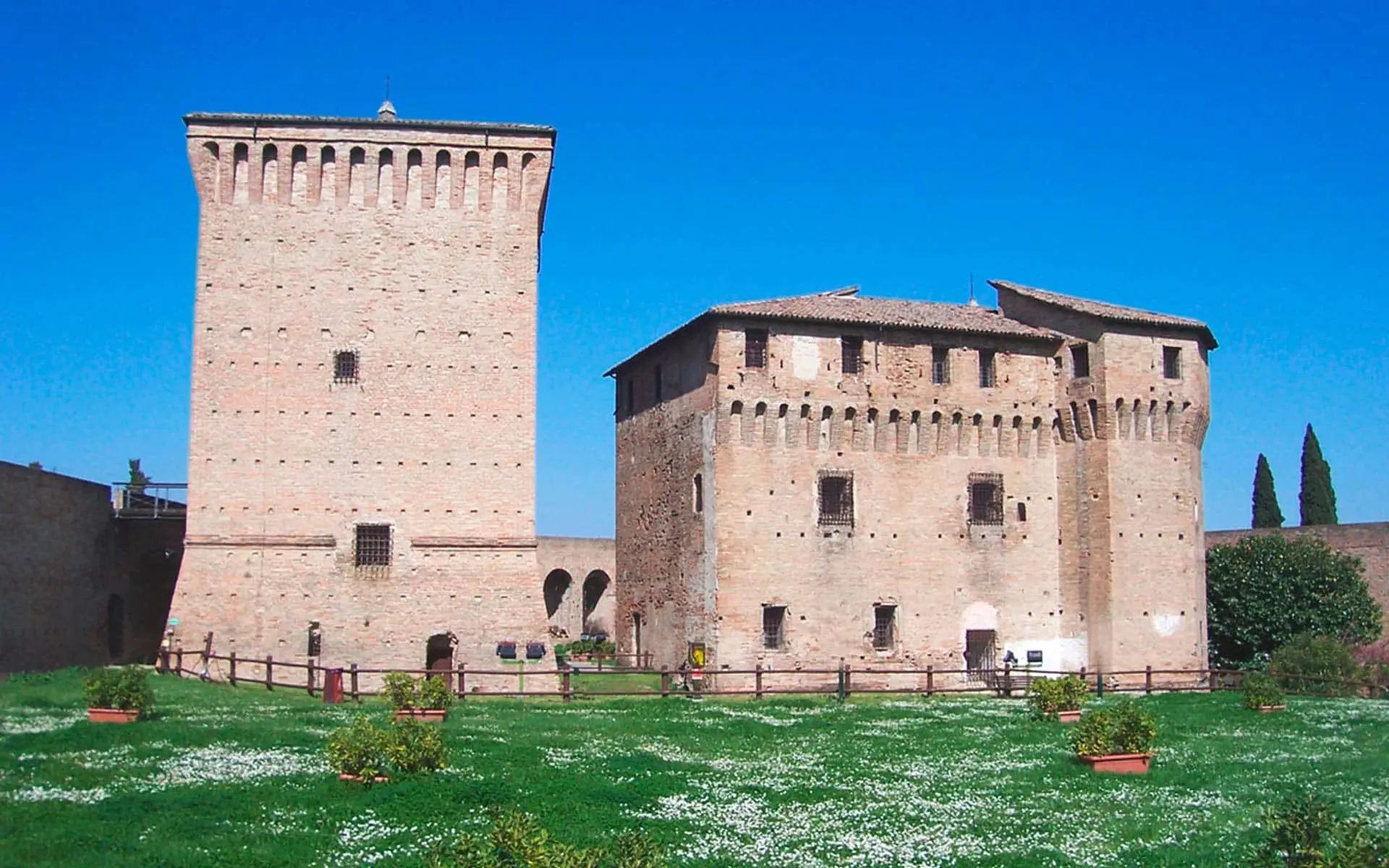
The symbol of the city is the Malatesta Fortress, the hexagonal stronghold on the Garampo hill begun in 1380 by Galeotto I Malatesta and completed in 1477 under papal rule: today it houses the Museum of Agricultural History. In the old town, the Biblioteca Malatestiana, opened in 1454, was the first civic library in Italy and in Europe: since 2005 it has been on Unesco's Memory of the World register, the only humanist monastic library in the world still perfectly preserved in both its building and its original volumes.
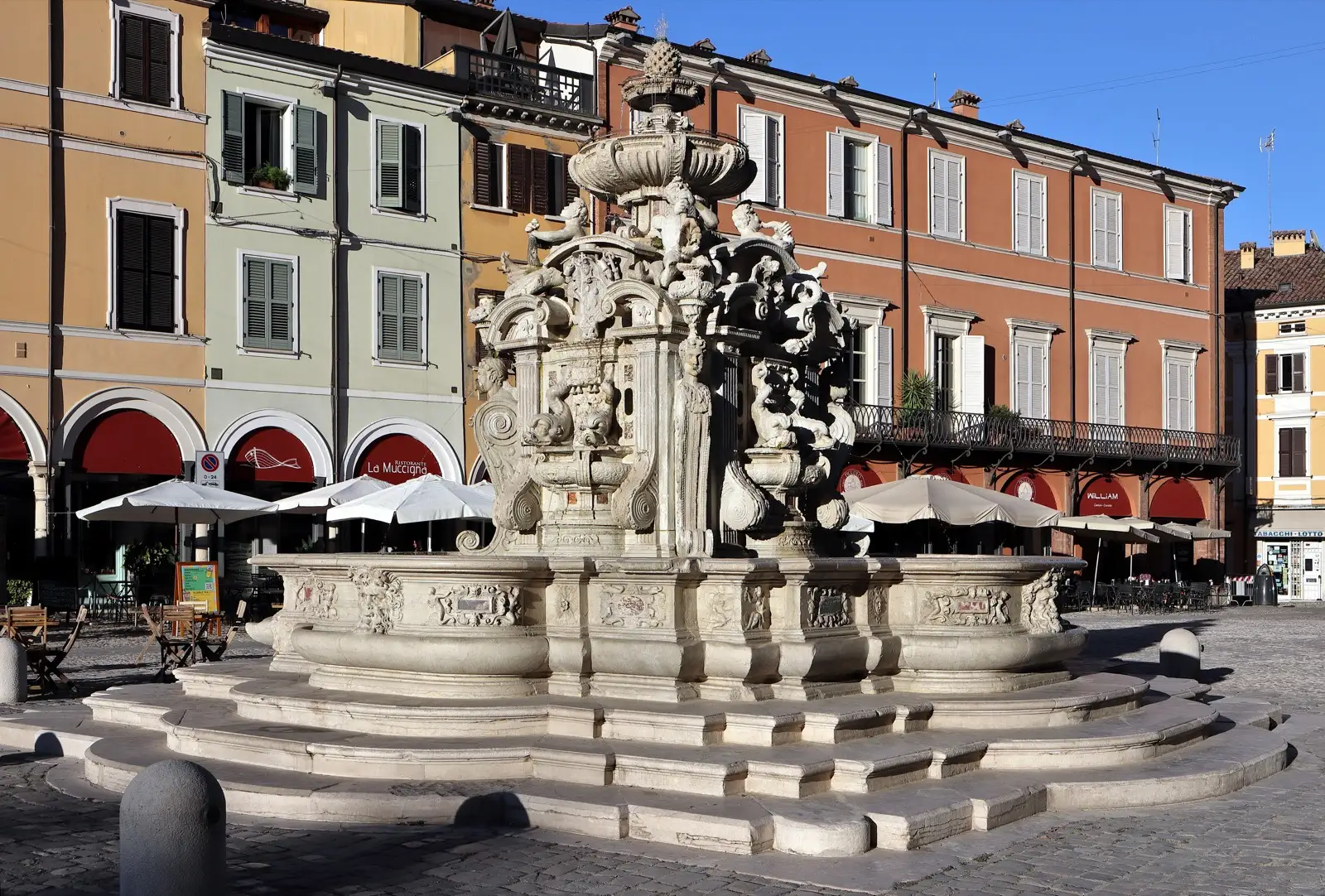
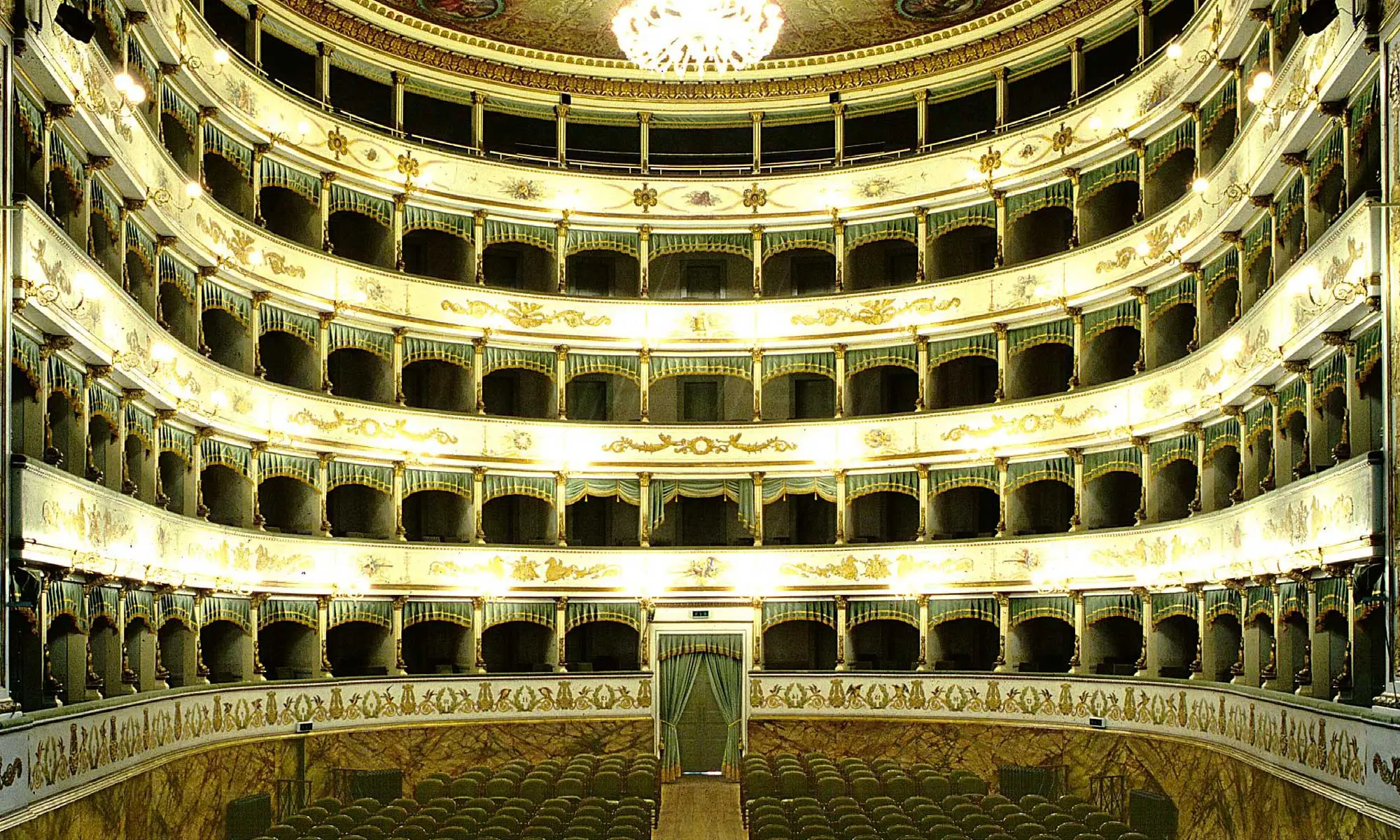
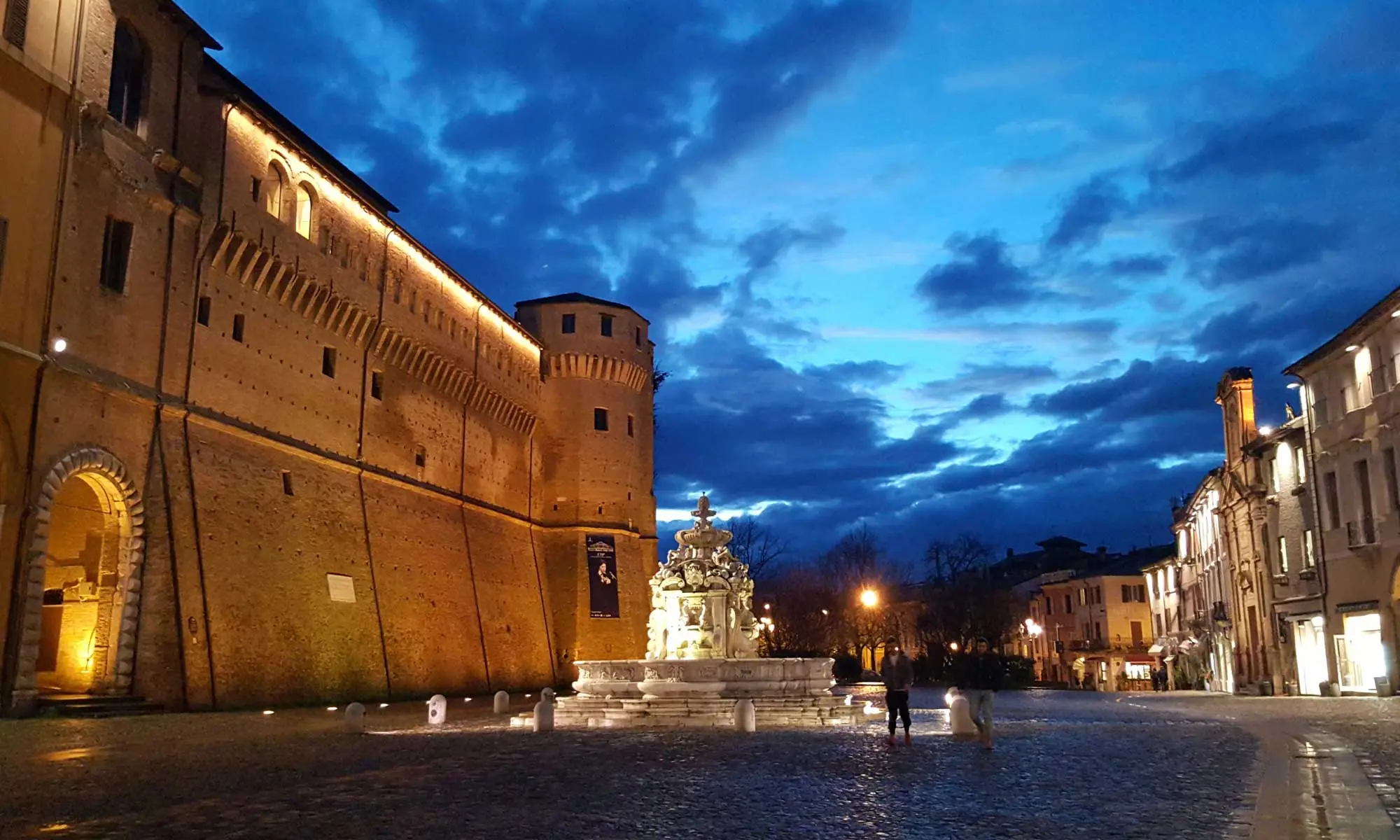
Piazza del Popolo, dating back to 1400, is the heart of city life: here stand the town hall, the sixteenth-century Fontana Masini and the Loggetta Veneziana. Locals simply call it "la Piazza". Among the city's other landmarks is the Teatro Bonci, where Vittorio Gassman made his debut in 1952 in Hamlet.
Getting to Cesena
Cesena lies halfway between the Tuscan-Romagnol Apennines and the Adriatic Sea, 37 km from Rimini and 25 km from Forlì.
What makes Cesena special
- The imposing Malatesta Fortress, a symbol of Malatesta power
- The Biblioteca Malatestiana, a Unesco gem and a masterpiece of conservation
- Piazza del Popolo, the beating heart of the city
- The Teatro Bonci, a temple of Italian culture and theatre
- The title of "city of three popes", which tells centuries of religious history
Highlights
Not to be missed


Places to see
Places to see in Cesena

Museums
Museums in Cesena


Monuments
Monuments in Cesena

Events
Events in Cesena