
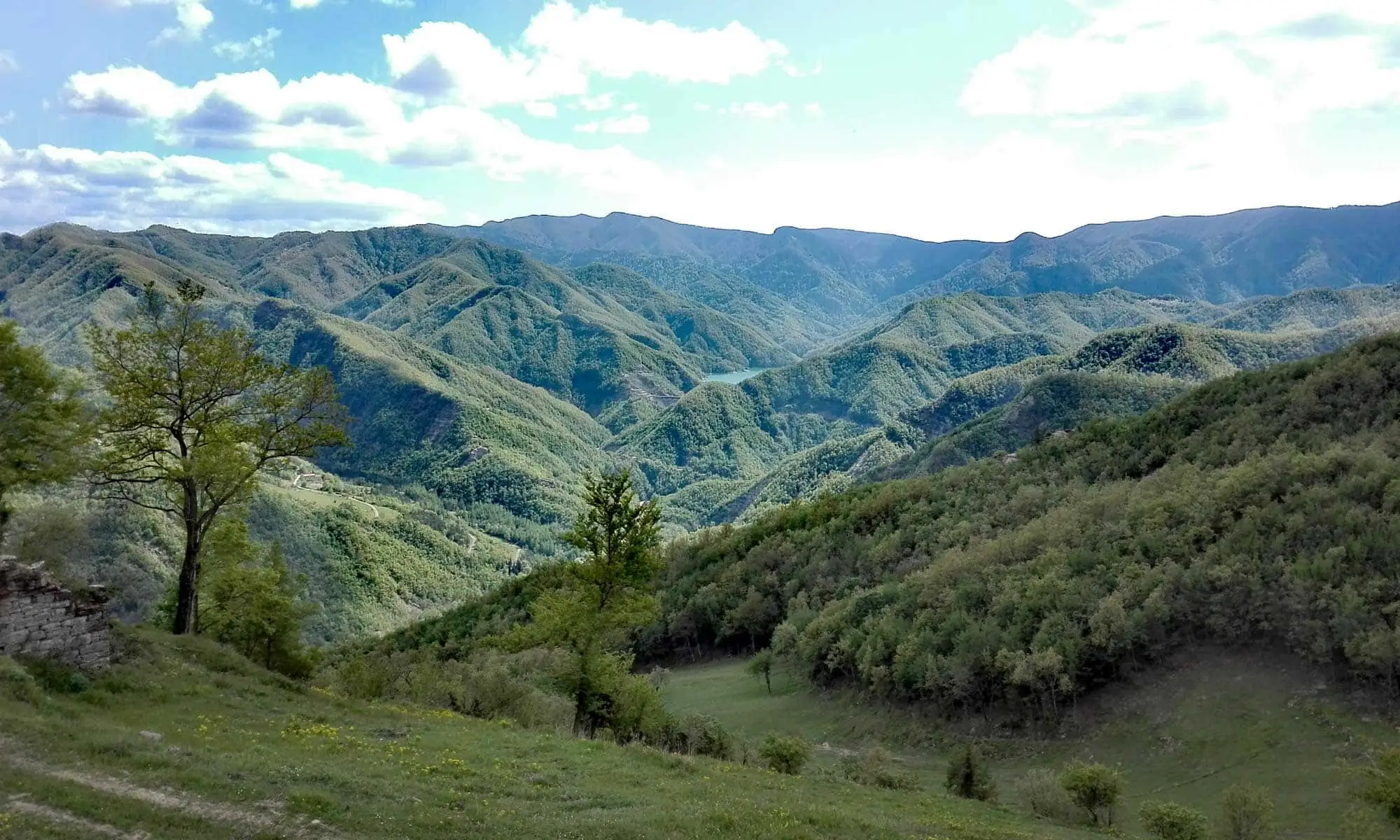
Parco Nazionale delle Foreste Casentinesi
The Parco Nazionale delle Foreste Casentinesi, Monte Falterona e Campigna stretches across the Tuscan-Romagnol Apennines, between the provinces of Forlì-Cesena, Arezzo and Florence. Established in 1993, it protects around 36,000 hectares of some of Italy's most extensive and best-preserved forests: four-fifths of its territory is wooded.
At the park's heart lies the Riserva Naturale Integrale di Sasso Fratino, the first strict nature reserve established in Italy, in 1959. Its ancient beech forests, together with other areas of the park, have been a UNESCO World Heritage site since 2017, part of the serial listing of ancient beech forests in the Carpathians and other regions of Europe.
Sasso Fratino and the UNESCO beech forests
The listing dates to 7 July 2017, within the serial site "Ancient and Primeval Beech Forests of the Carpathians and Other Regions of Europe", which spans twelve European countries. Within the national park, the recognised area covers around 7,724 hectares: 782 belong to the Riserva Integrale di Sasso Fratino, the remaining 6,942 to the surrounding buffer zone. It is the most extensive of Italy's natural sites on the list.
Research by the University of Tuscia has identified beech trees over five hundred years old within Sasso Fratino, among the oldest broadleaf forest specimens in the northern hemisphere.

The strict reserve cannot be visited: it stays closed to the public, and that is exactly what has kept it intact. The surrounding ancient-forest areas covered by the listing, however, can be reached via the park's trail network.
What to see
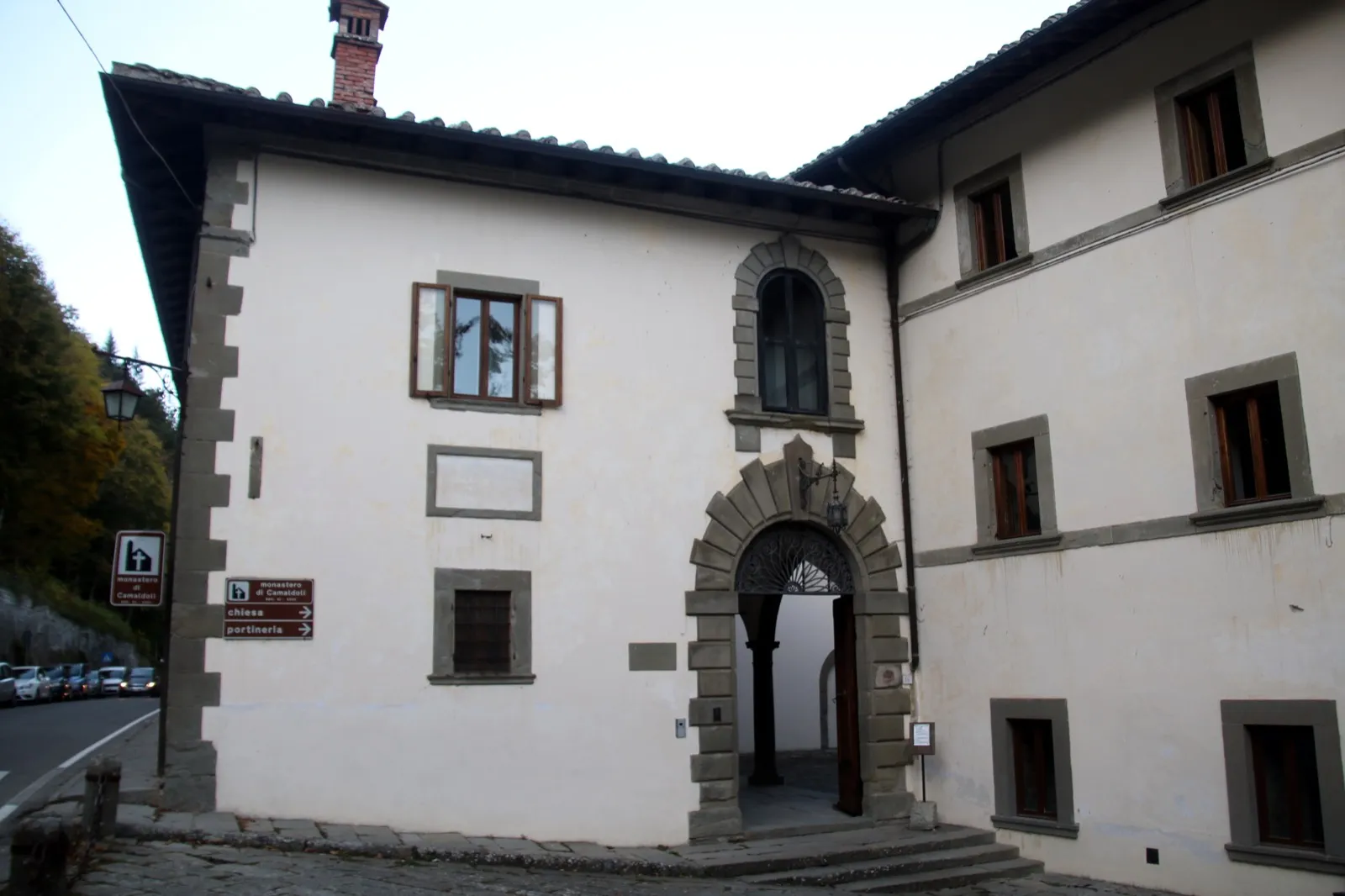
The area is home to two of the Apennines' most important sanctuaries: the Eremo di Camaldoli, founded by Saint Romuald, and the Santuario della Verna, where Saint Francis of Assisi received the stigmata. The via dei Monasteri, a route linking the religious settlements deep in the forest, starts from these two places.

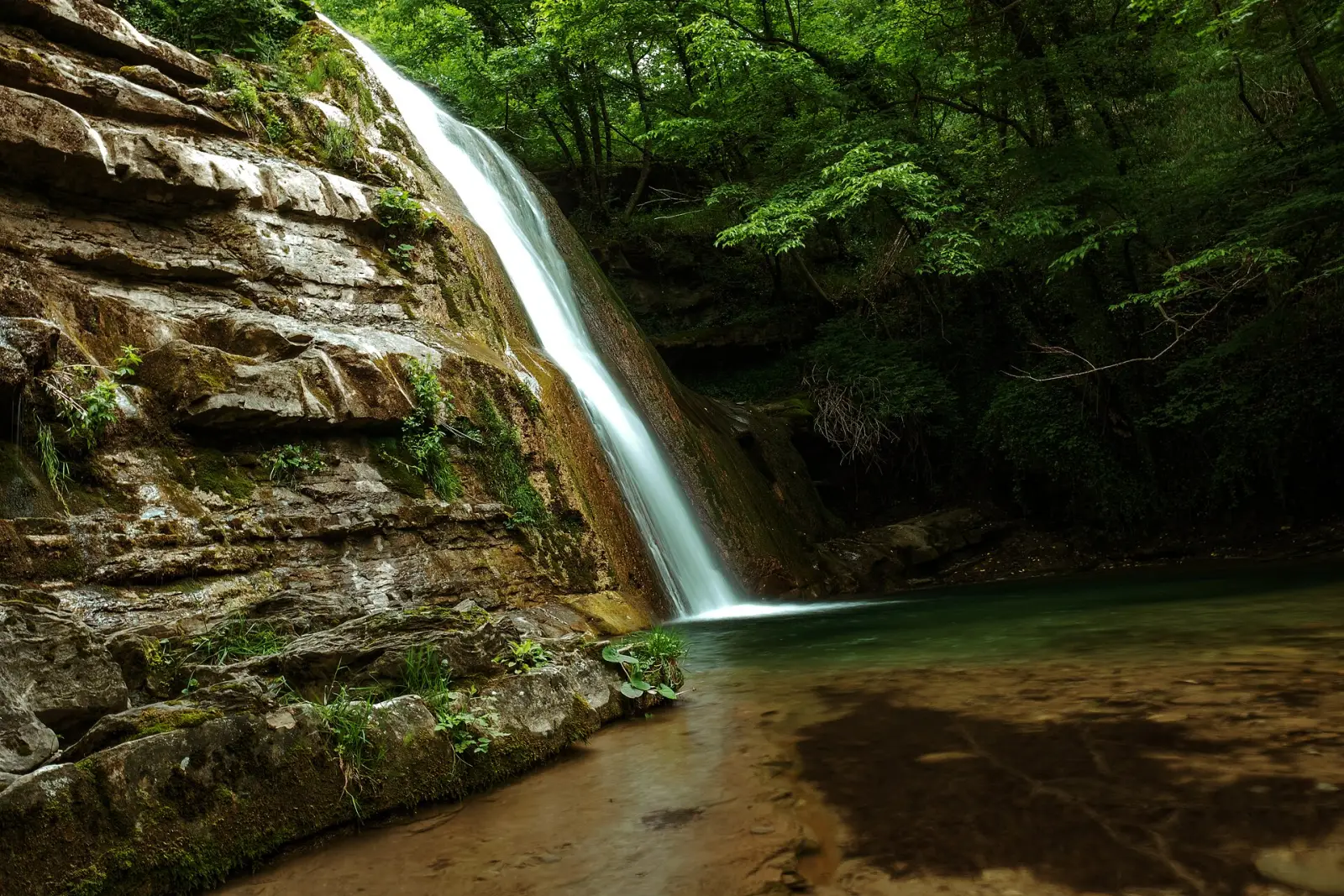
Other popular destinations include the Cascate dell'Acquacheta waterfalls, the village of San Benedetto in Alpe and the Foresta della Lama, one of the protected area's oldest woodland cores. On the border with Bagno di Romagna, Lago di Ridracoli offers another way to experience the park: by boat or canoe, on the waters of the reservoir that supplies much of Romagna.

Trails and getting around
The park is crossed by over 600 kilometres of trails, suitable for walking, mountain biking or horse riding, from short loops around the visitor centres to the Alta Via dei Parchi. The Sentiero delle Foreste Sacre links the places of worship scattered through the woods. In summer months a dedicated park train also reaches some of the more remote areas.
Altitudes range from 400 metres up to the 1,658 of Monte Falco, not far from Monte Falterona, where the river Arno rises.
Practical information
The Ente Parco is based in Pratovecchio (Arezzo), in Palazzo Vigiani; the Comunità del Parco is based in Santa Sofia (Forlì-Cesena). The reference visitor centre on the Romagna side is the one in Santa Sofia. The official website publishes an up-to-date calendar of guided walks and trail conditions, worth checking before setting out, especially in winter.