

Parco Regionale del Delta del Po
The Parco Regionale del Delta del Po in Emilia-Romagna was established in 1988 and protects 20,536 hectares of park land, plus a further 34,761 hectares of buffer zone: more than 54,000 hectares in all, across the provinces of Ferrara and Ravenna. It is the largest wetland in Italy and one of the most important in Europe.
The park is divided into six non-contiguous stations: Volano-Mesola-Goro, the historic centre of Comacchio, the Valli di Comacchio, Pineta di San Vitale e Piallasse di Ravenna, Pineta di Classe e Salina di Cervia, and Campotto di Argenta. It covers the towns of Comacchio, Argenta, Codigoro, Goro, Mesola and Ostellato in the province of Ferrara, and Ravenna, Cervia and Alfonsine in the province of Ravenna. It is managed by the Ente di Gestione per i Parchi e la Biodiversità Delta del Po, based in Comacchio.
The two Romagna stations
On the Romagna side, the park is concentrated in two stations. The Pineta di San Vitale e Piallasse di Ravenna combines the historic pine forest with the piallasse, brackish lagoons north and south of the Candiano canal. The Pineta di Classe e Salina di Cervia brings together Ravenna's other great pine forest and the salt pans, where salt is still harvested today and the visitor centre runs guided tours.
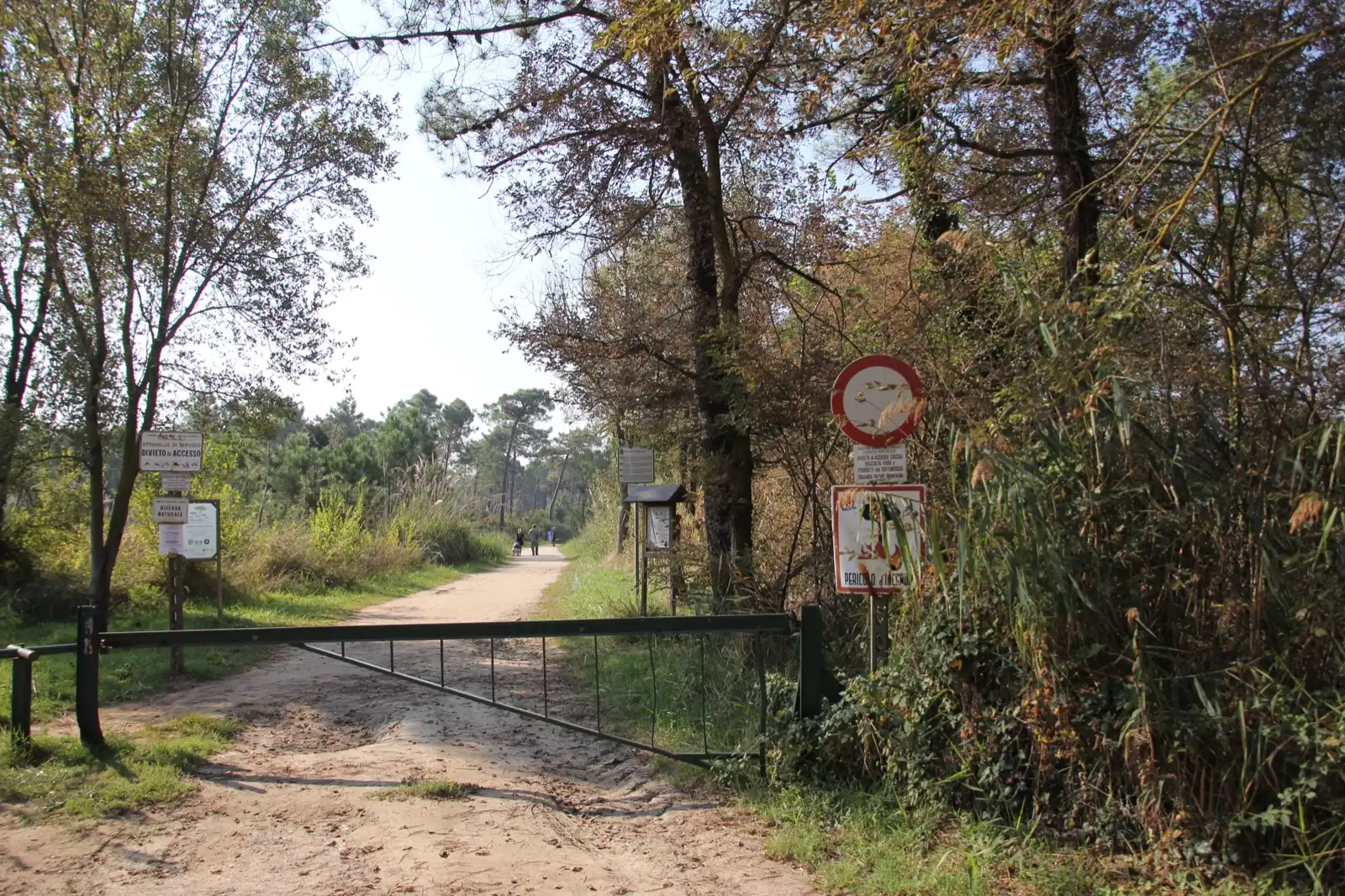
The Cervia salt pans are perhaps the place where human activity and the environment coexist most visibly: the ponds are both a working production basin and one of the coast's busiest stopover and nesting sites. The historic side of the story is told at the MUSA Salt Museum, in town.
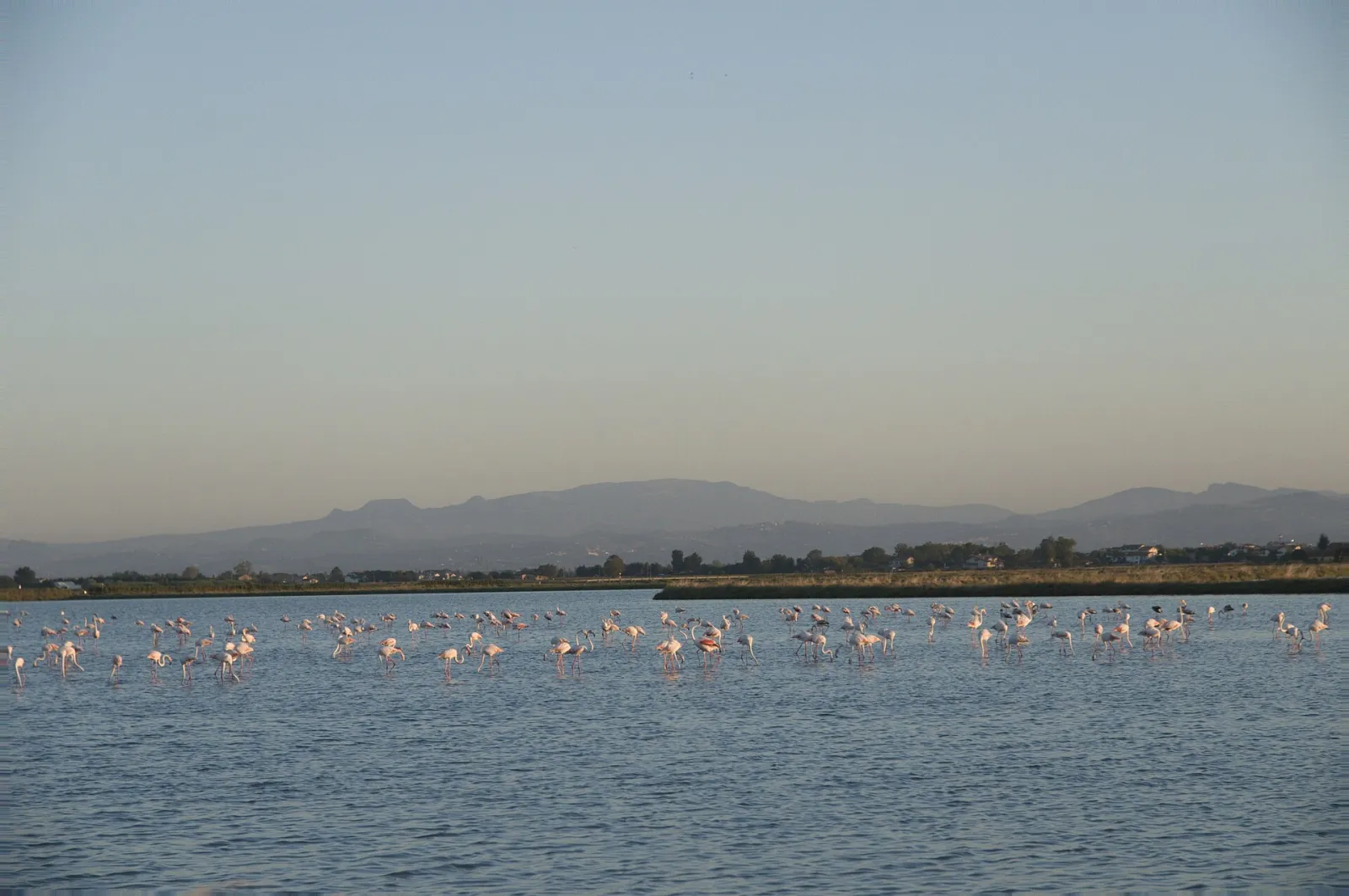
Birdwatching and wildlife
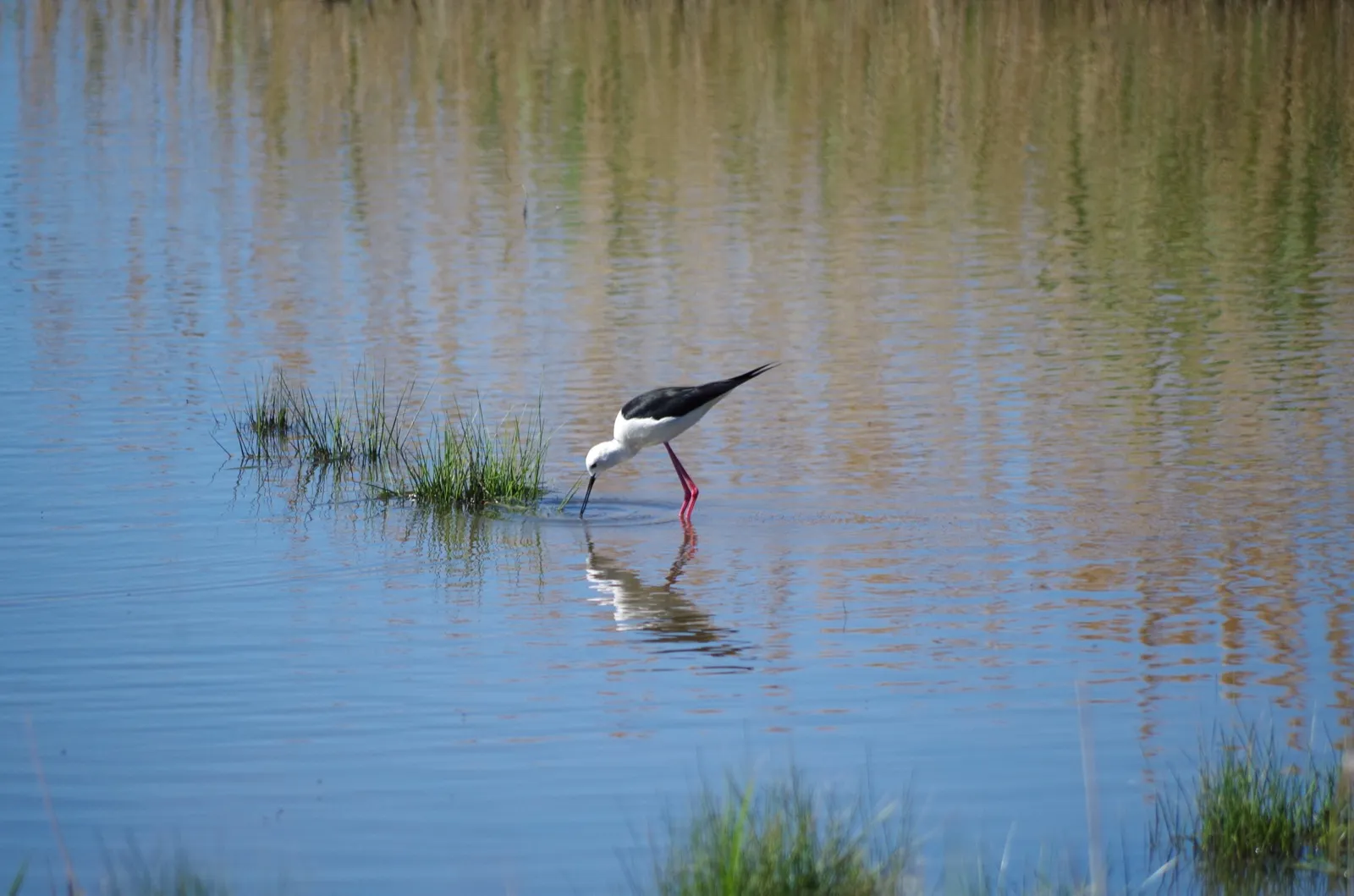
The Emilia-Romagna Po Delta is home to around 350 bird species, plus 60 fish species, 61 mammals, 16 reptiles, 14 amphibians and more than a thousand plant species. That makes it one of Italy's most sought-after birdwatching destinations, with flamingos, herons, black-winged stilts and avocets among the easiest species to spot.
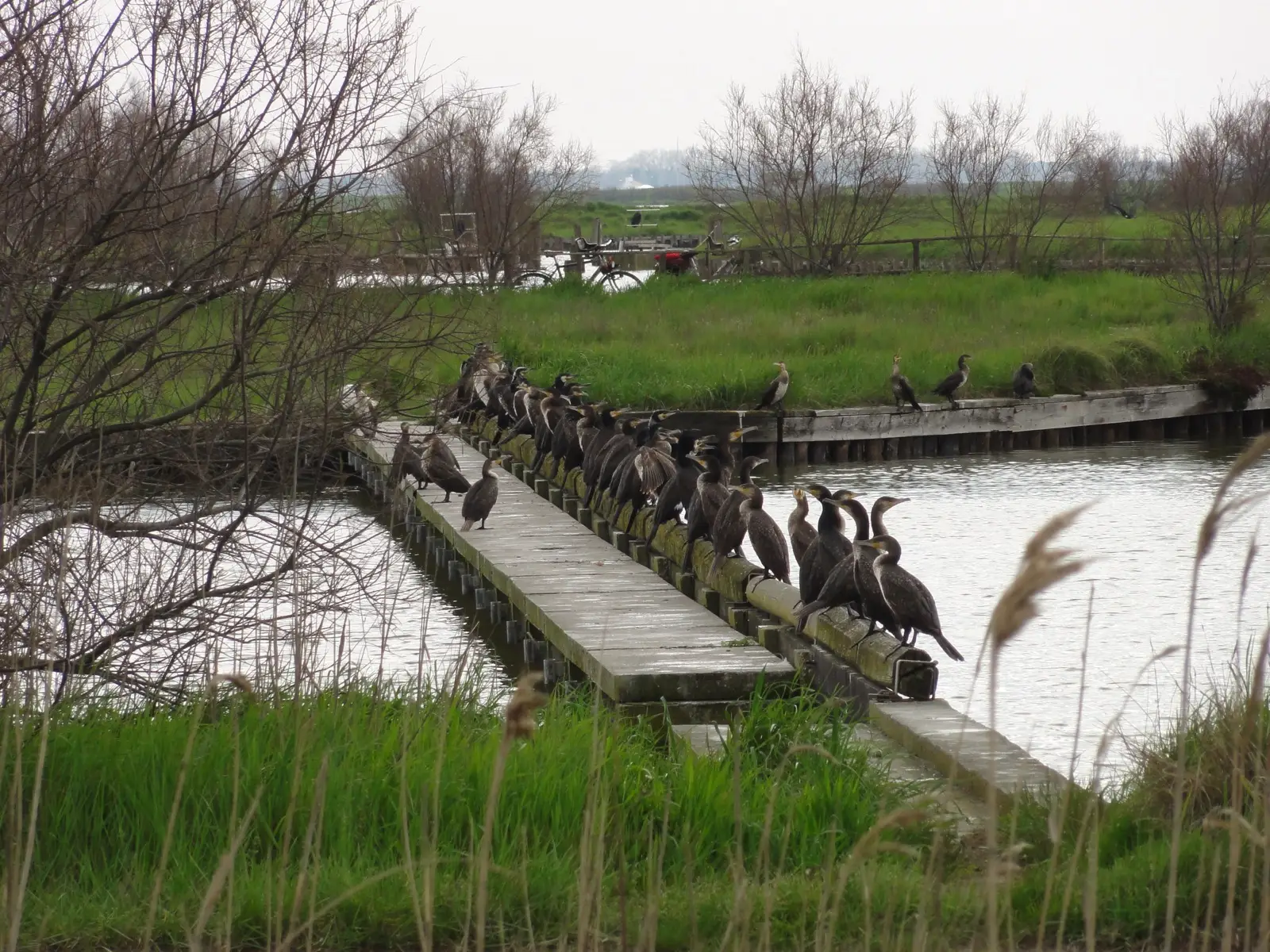
Its protection rests on a network of designations: ten wetlands of international importance under the Ramsar Convention, twenty-two Special Areas of Conservation and twenty Special Protection Areas within the Natura 2000 network.
Two separate Unesco recognitions
There are two Unesco recognitions covering the Delta, and they should be kept separate.
The first is cultural. In 1995 Unesco added "Ferrara, City of the Renaissance" to the World Heritage list; in 1999 the site was extended to the Po Delta and the Delizie Estensi, the landscape of land reclamation, canals and noble villas built by the Este family between the 14th and 16th centuries.
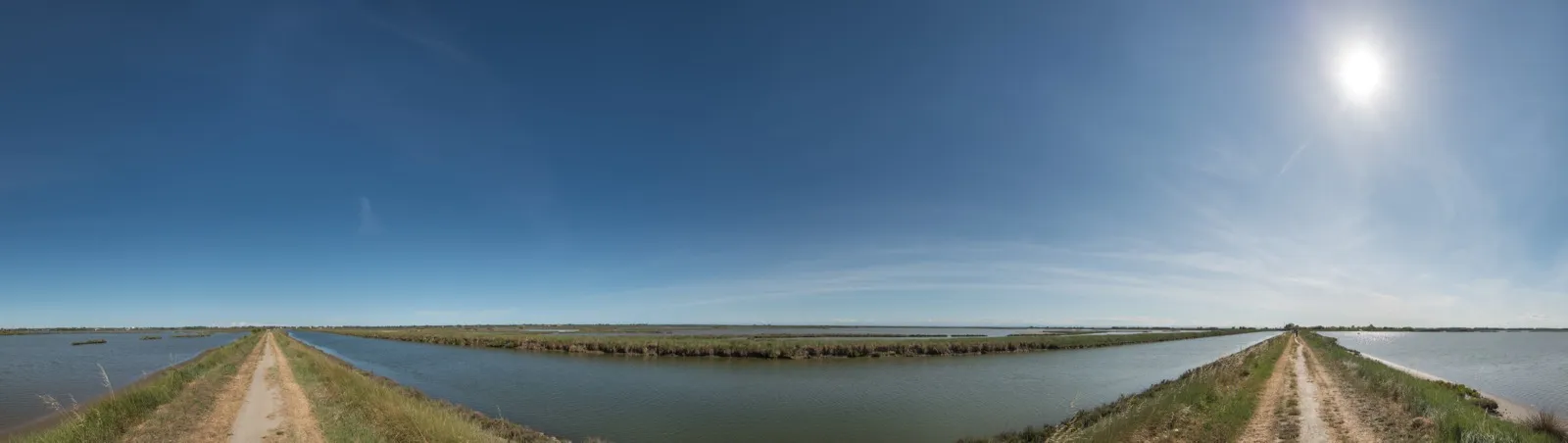
The second is more recent and naturalistic. In June 2015 the Po Delta was recognised as a Biosphere Reserve under Unesco's MAB programme, together with the Veneto park: the reserve covers around 138,000 hectares straddling Veneto and Emilia-Romagna.
How to visit
The park has no single entrance. You enter through its stations, each with its own visitor centres and trails, on foot, by bike or by boat along the canals. The calendar of guided walks and the state of the paths change with the season and the water level: the management authority's website publishes up-to-date information.